Archive for the ‘OBOD’ Tag
[Part 2]
Lorna Smithers’ comments about Druid Orders on the last post, “Facing a Critique,” have revolved fruitfully in my thoughts for the last couple of days. I have to laugh at finding myself, if not defending groups and organizations, at least examining their virtues as evenhandedly as possible, given that I’m not much of a “joiner” either, though I’m a member of OBOD.
Smithers reflects:
It was my preconceptions about the middleclassness and conservatism of Druidry that made me steer well clear of it until a couple of years ago until Phil Ryder of The Druid Network gave a talk at my local pagan society, voicing that it isn’t all about robes, ceremony and tradition but forming relationships with the land and communities in which we live. Which identifies it more with radical ecology and grass roots movements than middle class conservatism.
Many people instinctively shy from joining groups for the reasons Smithers gives: they’re confining to the person who wants and needs to do more than follow convention and the group-think that too often can arise from, and mar, such organizations. To many people, the energy and effort required to acclimate to a group don’t equal the advantages that come with belonging. And there are definite advantages, which I’ll talk about later.
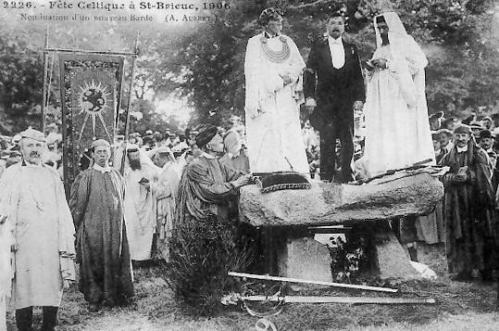
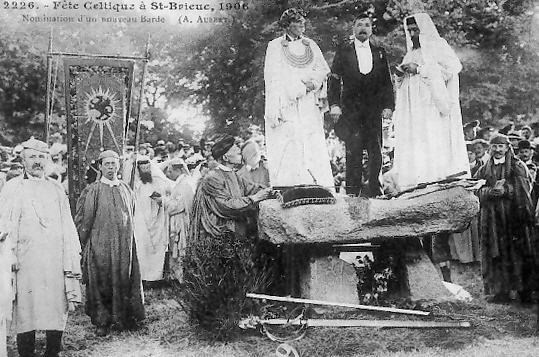
A 1906 Breton gorsez (gorsedd)
Druid groups are of course no more exempt from these weaknesses than any other human institution. And for a number of secular Druid groups, some of the satisfactions of belonging are indeed the “robes, ceremony and tradition.” The Welsh, Cornish and Breton gorseddau (the Welsh plural of gorsedd “gathering”) are specifically intended to promote poetry, music and scholarship, and the annual public gatherings are rich with ceremony and symbolism — and robes.
Smithers continues:
I’ve never been able to bring myself to join an Order such as OBOD and pay for their tuition because I don’t want my relationship with nature and the divine to be determined by anybody else’s structure, and I believe one’s local land and community, its spirits and deities are the greatest teachers.
If ever there was a succinct manifesto not just for the solitary Druid, but for all Druids, there it is: “one’s local land and community, its spirits and deities are the greatest teachers.”
Yet we need some kind of structure, even if it’s free-form: a shape for our journeying, a cairn along the forest path. Where to find it? William Blake is credited with saying, “I must create a system, or be enslaved by another man’s.” Sexist pronouns aside, his words ring true. The challenge for the solitary is to be open and receptive enough to perceive what she is being taught, to catch the lessons of the spirits and deities and local land and community. Orders can help in teaching techniques of openness. And the community of the like-minded, of one’s fellows, or of a more formal Order is often the leaven that forms in us an opening to new experience. We catch awen from others’ inspiration, we take flame from neighboring fires.
In my experience, a good half of spirituality is “caught” not “taught.” Or the teaching simply says listen! In the presence of others, human and non-human, we find what we seek when we inhabit fully our ears and eyes and tongues and noses and skins. What we need, to quote Moses at his most Druidic, is right here: “It is not up in heaven, so that you have to ask, ‘Who will ascend into heaven to get it and proclaim it to us so we may obey it?’ Nor is it beyond the sea, so that you have to ask, ‘Who will cross the sea to get it and proclaim it to us so we may obey it?’ No, the word is very near you; it is in your mouth and in your heart so you may obey it.”* To obey is to listen and then to heed what we have heard, to follow what we know in our hearts, what we recognize is present to guide and heal and inspire us.

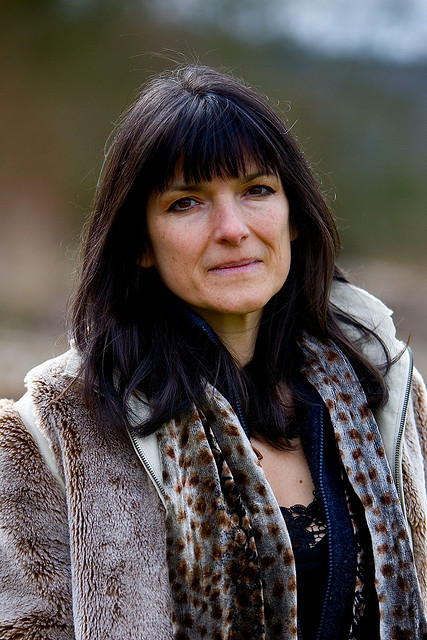
Emma Restall Orr
Emma Restall Orr, for a decade the joint chief of the British Druid Order (BDO), has pondered deeply some of the challenges of identity, authority, hierarchy and freedom in and outside formal “orders.” Her several short articles in the excellent BDO booklet Druidry: Rekindling the Sacred Fire deserve repeated reading. Here in “So What is the BDO?” she pinpoints the issues:
In keeping with so much of modern Druidry, the BDO exists as a paradox. And like modern Druidry, it is rather difficult to describe. A good place to begin might be to declare that the BDO exists largely as a concept: a means by which things get done, an organized non-organization. Druidry is sometimes easier to define through what it is not, and so is the BDO. It is not a source of teaching for an ancient faith or culture reconstructed. It is not aiming to proclaim a definitive Druidry, be it 3000 years old, 200 or 10. We have a mailing list of subscribers who receive our journal and various other leaves of information, then there are others who belong to our groves but do not subscribe, and many more who attend our affiliated gorseddau [gatherings]. Essentially these are the members and friends of the British Druid Order. Yet the ‘membership’ exists only in this personal way. It is horrifying the number of people, Druid chiefs to media men, who ask what is the membership of the BDO in order to judge its influence and validity. For us, the very existence of a ‘membership’ brings up connotations of an organization to which some people belong and others don’t. And once we find ourselves with an organization with this list of people attached, each one of them investing their energy and their loyalty, those who run the organization begin to find themselves taking responsibility for — and, the gods forbid, speaking on behalf of — that membership, who in turn on some level look to the organizers, and before you know it people are defining positions, and the great confusion of hierarchy and politics ensues. The whole problem of who does represent the membership quickly arises and next comes the democracy or dictatorship debate … Such political considerations are not part of the spiritual tradition that the BDO encourages or practices (65).**
The anti-authoritarian tone of Orr’s words finds a sympathetic reception on both sides of the Atlantic; if anything, Orders like ADF are every bit as structured as OBOD, and many people prefer to remain solitary or at least unaffiliated. John Michael Greer, a member of both orders, and head of a third, AODA, is uniquely positioned to comment about structures and hierarchies. In an article on the ADF website, he notes:
Each type of organization has its advantages and disadvantages. The minimalist approach followed by OBOD has resulted in a streamlined and efficient structure that needs to devote very little time to organizational matters, and has played a large part in helping OBOD go from the edge of extinction to become the largest Druid order in the world in only ten years. On the other hand, its success depends almost entirely on the personal qualities of the Chosen Chief, and members who are dissatisfied with OBOD policies have very few options other than voting with their feet. By contrast, ADF has achieved impressive organizational continuity and has extensive checks and balances in place to prevent malfeasance; this has been paid for by a need for so much involvement in organizational issues that many other matters have had to be neglected for years running.
What this means for actual practice, and what Druids can do whom the land calls and who divine that Orders are not for them, are among the things I’ll tackle in Part 2.
/|\ /|\ /|\
Images: Breton gorsez; Emma Restall Orr
*Deut. 30:12-14; New International Version.
**The British Druid Order. Druidry: Rekindling the Sacred Fire. Peterborough: Express Printing, 2002.
Updated/edited 20 October 2013
 “Druidry is a middle-class phenomenon. What with your workshops, books, weekends and camps, and especially the pricey study materials for groups like OBOD, who else but somebody middle-class could afford it? It’s like so much of the New Age: take away the cash cow that supplies the milk and it’ll collapse. Your ‘nature spirituality’ or ‘green religion’ is just middle-class consumption of good marketing. It’s not the real thing. Where’s the outreach to all levels of society?”
 OK, let’s listen to this mostly economic critique. On the face of it, it may seem pretty damning. If Druidry is simple good marketing and money-driven, it’s like so many other trends and fashions: it depends on a manufactured need, or at least a market-boosted one. Take away the marketing and it fades away.
Outdoors the October sky is gray. I gaze out the window, sending a brief acknowledgement to the directions, thanking Spirit for the gift of this life, breathing and being aware of my breath, centering my attention before proceeding with this blog post.
If we look at ancient Druidry, through the filter of its classical recorders who did not always have its best interests at heart, it appears to be a distinct caste. Druids had status and power, and were definitely not the mass of society. They were an elite, with all the pluses and minuses that go with it. There was little we would call “middle-class” about Celtic society. Slaves, warriors, traders, farmers, craftspeople … but no one with that strange combination of material luxury, education, and political clout that looks remotely like what we mean by “middle class” today or for the last 100 years. By our standards or even by Medieval ones when something like a middle class began to emerge, most ancient Celts were wretchedly poor.
As for the over-marketing of the New Age and spirituality and all our current hopes and dreams and fears, that’s one of the creeping plagues of capitalism. If it can be packaged to make money, someone will package it. The retreats and workshops and therapists and healers and “sacred” this and “spiritual” that fill a need, or they wouldn’t exist. But they don’t touch the heart of knowing yourself for part of the world, feeling your body and the earth and trees, birds and insects and fish and animals, sun and clouds and stars all as kindred. The awen that is always streaming out of silence and calling us to sing back does not go away when the money stops clinking and whispering at the cash register. It only becomes more profound. There we can find the heart of Druidry.
Let’s look at the cost of study materials like those of OBOD right up front. If you decide to enroll in the Bardic course, you receive monthly course mailings, access to a tutor, online forums, a subscription to the OBOD magazine Touchstone, and supplemental materials throughout the year. Many people take more than a year — sometimes several years — to complete the work of the grade, but there’s no additional cost. The text-based Bardic study materials cost £215 — at the current exchange rate, that works out to $344 — a little less than a dollar a day. Many people spend more on cigarettes and alcohol. That’s the cost of joining one specific teaching and initiatic order. Printing and mailing cost money. But it is admittedly beyond the reach of many on tight budgets.
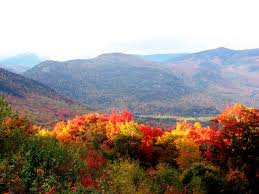 Of course, you can be a Druid for free, starting at this moment. You live on this earth, and you can follow your intuition and common sense and spiritual need and shape your own way throughout your own life, paying no one for any teaching, and bowing to no one and nothing except those you feel deserve it. Yes, the support and encouragement of what others have discovered and thought and written is invaluable along the way. Many valuable books and other materials are free online, or available at libraries. But if you want to receive and study OBOD’s Druid teachings, they cost money to reproduce and ship. If you want to study with ADF, or AODA, or the British Druid Order, there are fees because there are administrative costs and physical materials you receive. If you think Druidry is the next big way to make money, form your own order, market your One Genuine Real Live Druidry, and have at it.
One of the joys of living Druidry is a sense in the West at least that we’re recapturing something lost, something beautiful and profound, but also something utterly vital and practical. Many tribal peoples have preserved their traditional wisdom for living on earth without destroying it. Such wisdom is hard won. Tribes that practiced slash-and-burn agriculture, for instance, often found their land damaged after a few cycles and needed to move. Poor farming practices meant not just environmental degradation but often starvation and death.
As one flavor of Druidry, OBOD offers itself as “a spiritual way and practice that speaks to three of our greatest yearnings: to be fully creative in our lives, to commune deeply with the world of Nature, and to gain access to a source of profound wisdom.”* That may on occasion be good marketing, but it’s also uncommonly good sense to live in a way that makes our decades here all they can be, to walk lightly on the earth.
/|\ /|\ /|\
Images: enjoy capitalism; capitalism isn’t working; autumn.
*From the OBOD Website page “What is Druidry?”
Updated 15 October 2013 22:30
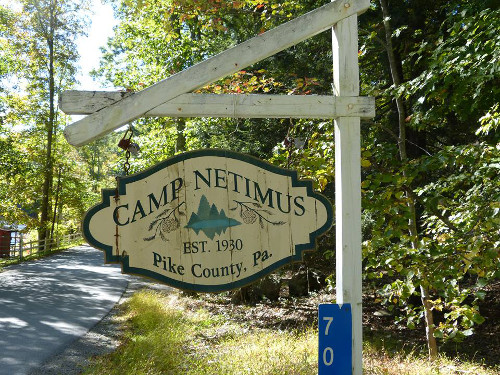
Camp Netimus sign — photo courtesy Krista Carter
Several other attendees have written fine accounts of this year’s OBOD East Coast Gathering — see Dana’s and John’s posts for two good examples, which are also introductions to their excellent blogs. Here’s mine (with a link to last year’s post, too).
/|\ /|\ /|\
Once I pull off the pavement onto the dirt road to Camp Netimus, I stop the car and get out. Apart from the soft metallic tinkling of the hot engine, there is only wind.
The first year I felt self-conscious about greeting the trees, but this year it comes effortlessly. How to convey the sense of subtle presence, of quiet welcome? Nothing I can “prove” or point to, nothing objective for any journalist who might opt to “cover” the weekend for a human-interest piece in a local paper, except a middle-aged man briefly motionless beside a tree. And yet. I stand with one palm flat against the gray trunk of this Netimus oak, and the sense of familiarity and welcome is palpable. How to explain this sense of return? Others at the Camp mention similar experiences over the course of the weekend. If this is delusion, and “only imagination” (two words that never should go together), it’s healthier than almost any other I can think of. The summer campers are gone, Alban Elfed — the fall equinox — is here, and Druids have returned to honor the spirits of place and the season. I know that a few hundred yards up the hill, I will see again the members of my Druid tribe, who have gathered from Texas and Michigan, Louisiana and Florida, New Hampshire and Georgia to celebrate, reunite, sing, dance, talk, learn, eat, drink, and revere the living green world.

Steps up to fire circle from Main Lodge — photo courtesy of Wanda GhostPeeker
Our three OBOD guests this year from the U.K. are musician and OBOD Pendragon Damh (Dave) the Bard, his wife, artist and workshop facilitator Cerri Lee, and OBOD Tutor Supervisor Susan Jones.

Damh the Bard and Cerri Lee — photo courtesy of John Beckett
In spite of a pesky virus Damh picked up on his way across the pond, he regaled us with two sets around the evening bonfire the first day.
The perfect encounter, fitting for a bard: we know him first by his voice alone, which precedes him, rolling out from his albums, videos and podcasts. Check out his live performances on Youtube, and you get a sense, too, of his warm personality and delightful laugh. Now he is with us in person, a commanding presence, towering over us at 6’4” or 5”.

Susan Jones, OBOD Tutor Coordinator. Photo courtesy John Beckett
Susan Jones, the Tutor Coordinator for OBOD, also returned to the States this year to celebrate with us and lead a fine meditative workshop on the Hermit and Journeyman in Druidry. We need the Elders of our Tribe to help us steer on a “path with heart,” to give us a sense of who and what has gone before. We’re all in training to be Ancestors, after all. What will we contribute when our descendants invoke and welcome us around their bonfires and hearths?
/|\ /|\ /|\
The Cernunnos ritual Friday night proved powerful for many, the presence of the god palpable in the circle of the ceremony. John Beckett, priest of the god, led us in invoking him. The Lord of the Forests has remained on the periphery of my life thus far, a being I respect but have few dealings with. Yet in his grove I reconnected with an animal guide who made his presence known several other times during the weekend — that’s for another post. Two owls called intermittently throughout the rite.
This year was my third time attending the ECG, and the first for my wife. Over the last decade we’ve managed to pursue more deeply our individual paths and interests, while keeping each other apprised of what we’re learning and experiencing. I’d apparently talked up the Gathering enough that she opted this time to see “what I was up to” when I disappeared for several days in late September, to return smelling of woodsmoke and bursting with stories.
/|\ /|\ /|\
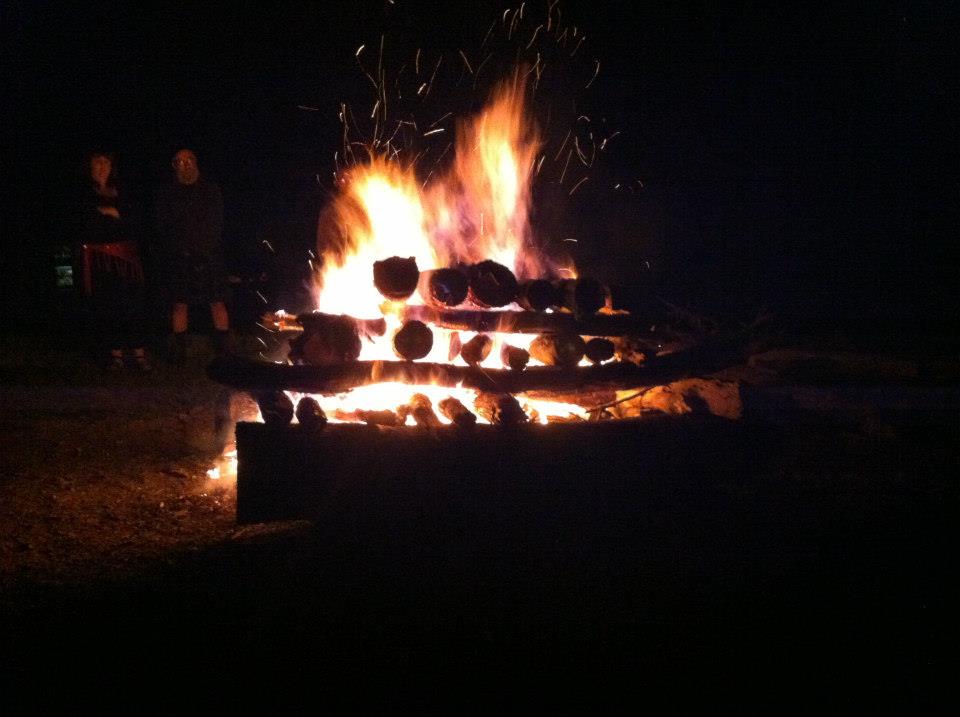
After weather forecasts early in the week that would have left most days of the Gathering in rain, the weather shifted. Both Thursday and Friday turned bright and sunny, with cool evenings perfect for what has become a tradition of bonfire, mead, talk, drumming, story and song late into the night.

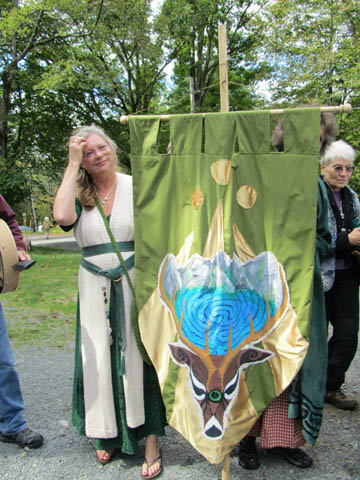
Four Quarters, we honor you. Hawk of the East, Stag of the South, Salmon of the West, and Bear of the North, you came to be with us once again.
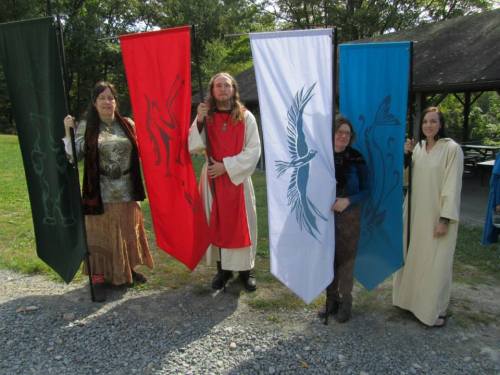
Directional Banner Carriers — photo courtesy John Beckett

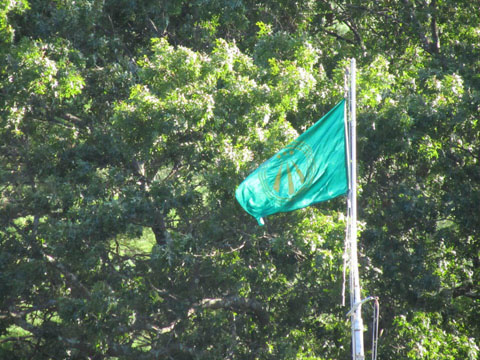
The OBOD East Coast Gathering offers a chance for Druids to walk among friends, attend workshops, and (re)connect with a beloved landscape in northeastern Pennsylvania. Here’s the OBOD banner, the color easy to see, the three-rayed Awen symbol of the Order a little harder to make out. (Photo by John Beckett)

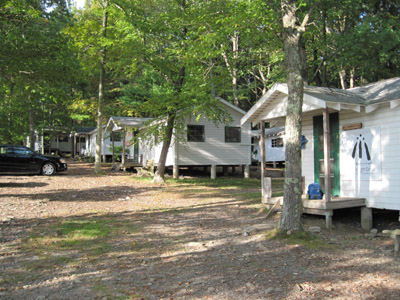
 The camp which hosts the Gathering offers both tent areas and basic cabins.
With more people attending this year than last, the ample space helped.
The area is splendid for large group rituals as well.
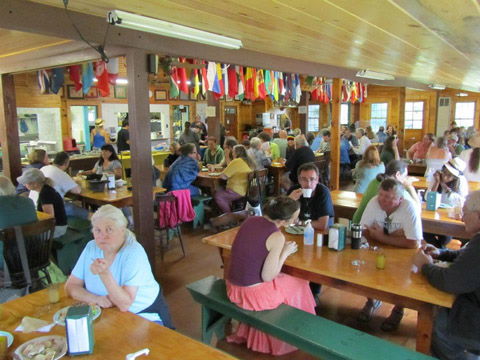
The rainstorm over the weekend brought with it cooler weather, which just made us all the more grateful for hot drinks and the varied meals our staff of Druid volunteers cooked for us.

(Dining room photo by John Beckett)
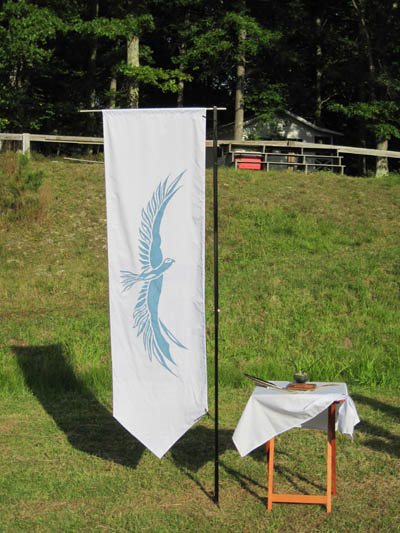
I didn’t arrive in time for the opening ritual. But the Closing was held on the same grounds, with the same altars. Here are shots of the two entry cairns seen looking south, along with the four directional altars and their banners: Stag of the South, Salmon of the West, Bear of the North and Hawk of the East.
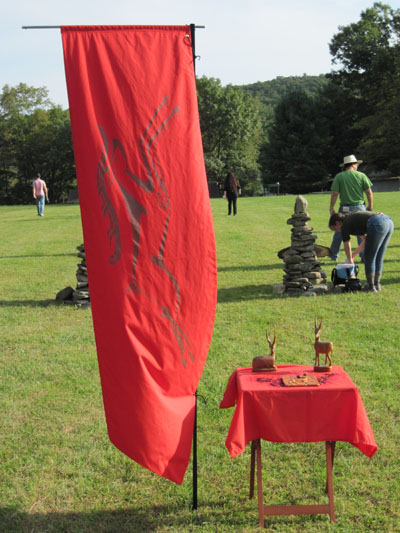
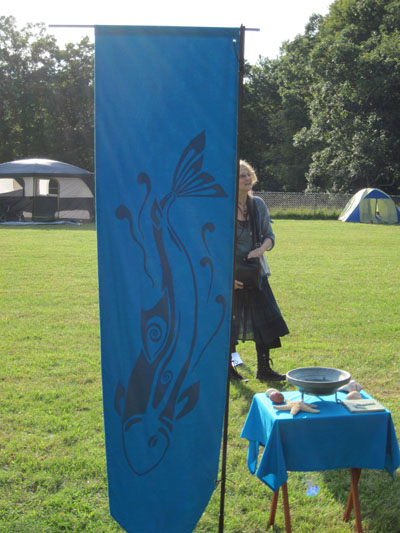
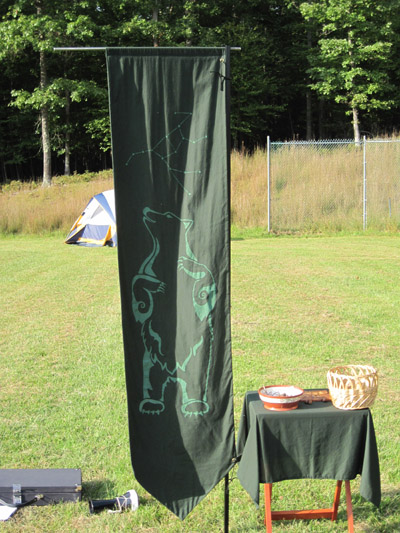

One of the added pleasures this year was the attendance of more Druids from different orders, including ADF. Here are members of Cedar Light Grove assembled around their grove banner (photo by John Beckett).

OBOD groves brought banners too.

And this year, the third Gathering and my second, yet another draw was the chance to meet and learn from both OBOD’s Chosen Chief Philip Carr-Gomm, and AODA’s Archdruid John Michael Greer.
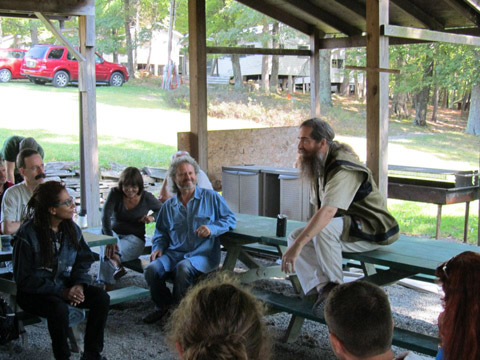
The first photo is of Philip giving a talk in Storyteller’s Grove a little north of camp.
The second shows John Michael during one of his morning talks in the Pavilion.
In the third, both join for a conversation and Q&A. (3 photos by John Beckett)
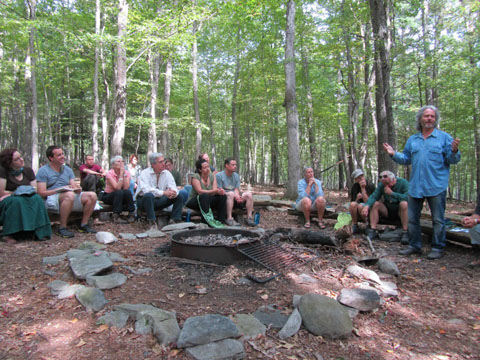

And of course no Druid gathering would feel complete without the ceremonial garb that makes the rituals visually distinctive and memorable.
Here are JM Greer and John Beckett:

Topping off each day were the evening fire-circles and drumming, music and song and ample home-brewed mead, cyser and sack from our resident firekeeper and brewer, Derek. Then came the Hour of Recall, truly. The Closing ritual, goodbye hugs, departures, promises to keep in touch, to plan events, to meet again. Another remarkable East Coast Gathering comes to an end, with opened hearts and subtle changes to take away and live through for the coming year. Till 2013!
/|\ /|\ /|\












 A Druid Way
