Getting into nature if you can at all will go far to restoring balance and harmony. It can just set things right. For that reason I’ve illustrated this post with images from a recent walk my wife and I took along the Pinnacle Trail, part of a 35-mile (56 km) community-built system of trails in our area here in southern Vermont. With closures because of the virus, we had to walk 2 miles from where we parked in a neighbor’s drive in order to reach the trail-head. During the four-hour, six-mile hike we met just three other people.
Pinnacle signpost 1/4 of the way along the trail.
One thing that distinguishes much of Druidry — or at least many Druids, which isn’t always the same thing — is a way of responding to times of stress and crisis. I should be more accurate: deploying a widened range of ways to respond. Of course the same holds true of any spiritual path. The widening comes about through direct experience, and through something else we often forget: We’ve survived before. We can do it again. And maybe even — this time — thrive.
[When I first encountered Old English, some decades ago now, one particular proverb stuck with me: Þæs ofereode — þisses swa mæg. It appears as the refrain in a poem called “Deor“, and means literally, ‘That’s passed over; so can this’. We run into modern versions of it everywhere: Takes a lickin’ and keeps on tickin’ goes one example. When the going gets tough … (you know the rest) is another.
Yes, I’ll admit that like you sometimes I want to reach through the phone or computer screen and throttle the blithely casual writers who toss such sayings about, as if words alone can fix things, as if I never would have thought of courage or persistence, or decided to push on without such helpful reminders, but would have resigned myself to despair and conveniently expired on the spot.
Of course, invocations of fortitude and perseverance have their place. Our ancestors doubtless knew their own variations on such themes, and probably felt much the same way about overusing them. We might consider what the present love of memes and gifs with inspiring (or despairing) sayings has to tell us about our capacity to hold larger and smaller goals and energies in our consciousness in times of change like this one. Survival first happens spiritually, and then our bodies follow.]
Check out Druid forums online and it’s our individual uniqueness that stands out: a remedy or strategy that sometimes works for one works wonderfully for another person and not at all for a third. And that’s no surprise. The tree in your front yard, the same species as the one down the road, still grows in its own way, with a unique spread of branches, because your yard is different, unique in its light and shadow, in any neighbouring trees and buildings that surround it, in rainfall and earth, and in any care or pruning that land-keepers think to give it.
A Druid respect for uniqueness feels almost built in to our inescapable experience of encounter in nature. Bear or bug or beech or bass, no matter the species, right now it’s the individual in front of me that matters. Bear-in-the-abstract isn’t this bear, plumping itself on fruit in preparation for hibernating, or peering at me quizzically from across the meadow, or as surprised as I am when we meet in the woods behind our house.
So when something like this “one corner out of four” quotation courtesy of an old Wisdom-Teacher like Confucius plops down in front of me, I may resort to a different tool-kit than you will in my response. And that’s a good thing.
100-million year old bedrock exposed along the trail
A dear friend uses an “inventory of the bodies” technique when life turns hard. Like all of us do, she uses a particular map of reality to clarify experience. Her map divides the human self into five parts: physical, astral, causal, mental and soul. Knowing where events and experiences are clustering is a step toward working with their energies. Her partner often works with her map as a couple’s meditation, checking in with her and asking: “How’s your physical body? How are your emotions? What memories are stirring?” with pauses between each gentle inquiry.
Whatever my own map, just the act of stepping back and looking and listening to the movements of experience across my consciousness can bring needed clarity. If I can track a sour mood to a morning back-ache or to an uncomfortable memory surfacing, I’m halfway toward taking responsibility for my state of consciousness. Literally — my ability to respond, rather than merely react. It’s another practice, which most often means recognizing where my attention is right now, and then deciding if that’s where I want it. Likewise with a positive state — what does it empower me to do?
Yes, much may well lie beyond my control. (Longing for control is another issue to explore. I need only look at today’s headlines to see power-plays in abundance, with so many centers of power — people and institutions, spirits and egregores — demanding my attention and assent to nourish them. There’s a reason aboriginal peoples speak of “soul retrieval” — how often do I give it away?) But where my attention rests, and how I’m attending, are two potent keys for change and transformation. To echo the previous post, if I’m tired of the same old story, I can turn some pages. Like all practices, this one takes time, but I can (1) start right now, (2) start small, and (3) keep going.
stump near the Pinnacle ridgeline
There’s a triad that lies close to the core of much that I value in this life: timing, size and continuity. Size matters, it’s true, but most things that matter to me aren’t the big ones that roll in just a few times in any life, but the small daily experiences of joy, wonder, love. That’s mostly what I have to build on, or dismiss, each day. And, my friends, so do you. A practice of once during one day has an effect that’s usually small. But it’s a start. Make it small enough that’s it’s too easy not to do. Then keep going. Check in after a week. Then a month. A year, and then a life, and you will see changes, guaranteed. In the end, we can prove it to ourselves by the doing of it.
We’ve been conditioned, it’s true, for astonishment. Movies market it. Think for a moment what a “blockbuster” is designed to bust. (The military imagery continues in expressions like “blowing my mind”. Unless I’m so stiff and rigid I need such explosions, rather than blowing it, let me collect and assemble the pieces.) Love stories trade on astonishment, and every advertiser promises a piece of it, if I only buy buy buy. Religions depend on it, too — if promises of joy and salvation grow old, there’s always hell and damnation for the lurid thrills they offer.
Jonathan Edwards’ classic sermon “Sinners in the Hands of an Angry God” offered hell as entertainment. Up to a point, a superficial reading of Dante’s Inferno offers the same thing. Firsthand accounts of Edwards’ preaching report people shrieking with fear, even as they lapped it up. We might call it disaster porn — a version of the same thing promised by both sides in the partisan charade that’s taking place in the U.S. right now. We deny magic, even as we live half- or wholly be-spelled and enchanted by others every single day of our lives. Time to exercise some of our own craft on our lives, even if it’s just to explore what happens with our particular flavor of magic. It will fit us better than any one’s, because it comes from us. Let us surprise ourselves for once. Then make it a habit.
“Follow the Yellow-Leaf Road”
In that original quotation, it’s true, Confucius seems unconcerned. He seeks willing students — but then who doesn’t? All he’s both offering and asking from us is one corner — 25% — a flash of recognition that what he’s offering has value, that it might be worth a try. Twenty-five percent is a decent-sized sample, a good taste of the merchandise. It’s taking the car for a test-drive, looking under the hood, checking the under-carriage for rust, kicking the tires, and peering down the exterior for tell-tale dents and ripples in the fenders.
Many of us are already operating above 25%, give or take. Given that percentage, our lives can resemble a baseball game, a few home runs along with more than a fair share of strikes and fouls. “Two out of three ain’t bad” goes the saying, but one out of three is already a very respectable baseball average.
A lot of what we need is already in place, waiting to be activated. You can feel that from time to time, if you’re anything like me, in the mortal restlessness that creeps up on you. Some of the time, we really do “get it”. Moments of clarity illuminate the outlines of the path. Glimmers, snatches, fragments. We may lose sight of it again for a while, a month or a decade or — gods help us — an entire life. (“Better luck next time” at that point is just cruel).
All of this is — or can be — useful data, material for making a change, spending time with the pieces till they form a recognizable outline we can understand. We’ve done much of the necessary work already, or we wouldn’t even know this much.
Together with the inertia inherent human affairs that can seem at times like “malevolent forces out to get us”, and less dramatically as “one step forward and two steps back” is a parallel protection from “going off half-cocked, on a wild goose-chase”, etc. These old proverbs and expressions are both useful cautions and reminders of the status-quo mindset.
So let us meld them into a missing whole. Together — the synthesis, the third element of the triad that begins with thesis and antithesis, joy and sorrow, argument and counter-argument — they point toward a path that moves with a rocking motion, a rhythm that draws from both, as one way forward. Try it out — you’ll recognize it when you do. It’s the rhythm of waves, of horseback-riding, of sleep and waking, death and birth, of sex — the movement of spirit in these worlds of time and space and matter, the Old Magic always waiting for a consciousness (yours! mine!) to activate it and deploy it to make new forms of possibility and joy and love.
/|\ /|\ /|\
Mist rolling in around the 50-mile view from the Pinnacle Ridge.
I never try to make people open up [to the world of learning] unless they already have a pent-up excitement about it. Then if I give them one corner [of a problem or point of study], if they do not come back to me with the other three corners I will not involve myself with them again.
Full moon vision to you.
The first time I encountered this passage, I recall thinking that it sounded arrogant, exclusive, etc. Over time, though — especially after I became a teacher myself — I realized it’s just common sense. Not every student will care or bother about things that may in fact be central to their lives either now or down the line. Teachers themselves may or may not perceive this, but it doesn’t matter. Insist, or try to force the issue, and it’s like pouring water into a cup that’s already full. Until you take a drink, any more just spills over the sides and onto the ground. No one benefits from pushing it, and relationships can go sour through nobody’s fault.
This, I’m finding, makes for a very useful seed for contemplation. What corners have I received that may like seeds now be lying fallow, that I can set into soil and encourage to germinate?
After all, nature wastes nothing, though it can at times look incredibly profligate. Plants produce thousands of seeds for just a handful to find a niche, germinate and grow. Many fish likewise spawn thousands of offspring, and most will die or get eaten. Even with mammals, who take greater care of their young, many will never reach adulthood. Yet each living thing, either by its life or death or both, enriches the whole in countless ways we’ve only begun to explore.
The imagery of four is another useful key key: often a corner [of a problem] pokes up in the form of an elemental “flag”. At first glance the details and circumstances of my life seem isolated, fragmented, singular and disconnected from each other. Like a materialistic view of individuals, whatever concerns this one stops at the borders of the skin, and doesn’t touch that one.
Superficially at least, that may well prove true. But life itself often prods us to dig deeper. By that I mean that I may face a health concern, like the flare-up of a skin condition I’m experiencing right now. On the surface — in this case quite literally — it’s “just” a skin condition. Something skin-deep. But almost never do such things come singly, but rather in a skein or network or cluster. How a deeper situation presents itself elementally can be a significant spiritual diagnostic tool. Earth may be the dominant elemental signature of a deeper situation — the “one corner” that widens to show new connections to the other three.
We’ve slowly been learning as a species how a systems approach not only links seemingly disparate events and circumstances, but opens up new strategies and approaches. Formerly invisible but beautifully appropriate and creative responses become visible and possible, once we broaden our vision, once we experience and consider the whole. My skin, my house, my level of exercise, diet, stress level, outlook, toxins around me, etc., all interplay and correlate and function together as a system of interlocking relationships and influences. Pluck just one string of the cosmic guitar, and the whole instrument starts vibrating.
I’ll look at “The Other Three Corners” in the next post.
John Beckett’s most recent post talks about the myth and importance of telling good stories, the stories that shape our lives, which is what myths do. Neither conveniently true nor false, myths work archetypally. Rather than “telling the truth”, as if there’s just one, or just mine, they provide maps by which we make sense of things. Frodo “never carried a Ring to Mount Doom”, and Harry “never defeated Voldemort”. But that doesn’t mean they have nothing to say to us. Enter a mythic world, and things change. “Myths never happened”, says Sallustius, “and always are”. Open the book to page one, or click to play the video, and the story starts again.
Cabin banners at East Coast Gathering. Photo courtesy John Beckett.
Though part of John’s post examines what he calls the “unnaturalness” of the myth of the patriarchy, every myth serves a purpose. Otherwise we wouldn’t keep it alive in our consciousness. The stories we tell are choices we make, after all. Yes, we inherit myths, along with much else. Every generation chooses what it will keep alive as part of the legacy it has received. And like maps and relationships and all mortal things that pass through our hands and hearts, myths can go wrong as well as right.
If we listen to our Bards, who are after all among our storytellers, we can attend to good counsel — here’s an instance from REO Speedwagon:
So if you’re tired of the Same old story Turn some pages I’ll be here when you are ready To roll with the changes
I knew it had to happen
Felt the tables turnin’
Got me through my darkest hour …
If you’ve been paying attention, of course, you might have started wondering who “turned the pages” the last time, and what it was that lead us into our present stories and situations. What was the previous story, and why did we give it up? John offers some suggestions in his post. Certainly we seem to live in a time when sharply-contrasting myths move us in different directions.
The challenge of myths is that other people’s stories look like “just stories they tell themselves”, while our myths are of course the “truth of the cosmos”. How can “they” even think that, “we” wonder. So potent is our own story (until one day when it isn’t any more), that we cannot see it as story.
John’s perspective on possible directions we might take involves an intriguing strategy. “Facts”, he notes, “can’t beat myths – people deny inconvenient facts, truth be damned. Rational explanations can’t beat myths – people jump to ad hominem, straw man, or other logical fallacies, or they just tune it out. If you want to beat a bad myth you have to tell a better story”.
Always another story. Christian and Nadia preparing for ritual.
Think of stories that catch your imagination. Many of us have experienced this with a favorite song, movie or book. You don’t want them to end. While you’re under their spell, you live in their world. Like falling in love, we live transformed, at least as long as the first glow lasts. With luck and spirit willing, that first glow transmutes into something more substantial and lasting — we may well live out our entire lives with that story. By itself that is neither a good or bad thing. But “by their fruits you shall know them” persists as still-excellent counsel: what comes of our story? Does it make our lives better, richer? Are we stronger and more adaptable with it as part of our map of consciousness?
We all know people whose personal myth or inner story helps or hinders them. We can change the stories we tell ourselves — in fact, an “interesting” life usually presents us with circumstances which compel us to change stories. Like a hermit crab, we grow too large for the shell which has sheltered us and been our home. Sometimes we can’t identify growth for what it is. Everything else goes wrong, and we fail to recognize the lack of fit between us and a story that housed us and kept us safe. We may well “roll with the changes” — but in a bruising way.
Changing one story — when we have a whole set of them — usually ends up deepening our appreciation for stories. We shift to another story, because it better reflects what we need at the moment. We learn to keep a number of stories in play — spices in our kitchen, arrows in our quiver — because that’s what the Wise have shown us will help us not merely survive, but thrive.
Great Circle, Four Quarters Sanctuary.
But changing the sole story we know can feel like our world is ending. Because in some sense it is. We won’t ever “be the same” afterwards. Whether or not that might be a good thing usually doesn’t occur to us. Another story might help us roll with “the thousand natural shocks that flesh is heir to” as Hamlet calls them. Another story might help us be of use to others, too, when their stories change, when they need wise counsel from us, or just our patient listening.
Healthy spiritual practice keeps us supple and curious and ready to laugh. It helps equips us with a range of stories that aid us in rolling with the changes. Changes? They’re guaranteed. How we roll with them is a matter for negotiation. Let’s start that conversation.
Find the right tree, I wrote in my last post. Do that much, and I’ve haven’t completed the journey. No — that’s just one place where a new story can begin.
says a line in my current OBOD Ovate gwers (Welsh for “lesson”). No, I’m hardly giving anything away. Or at least no more than I often do here on this blog. (Thus I fulfill the wise counsel of Lew Welch’s 1969 poem “Theology” to “Guard the Mysteries! Constantly reveal them!”)
Though the instruction may sound peremptory or authoritarian, the judgment about any “rightness” is — no surprise — left to the student. Thus are we led and set free in equal measure by spiritual teachings that prove their worth in such encounters.
In practice it’s not so much different from deciding which flavour of ice cream you’d like as you stand in front of the menu board. The quality of your decision will be reflected in your choice, and in your subsequent experience. You are not separate from your situation, but an integral part of it.
Or to enlarge the kind of choice a little, not too much: who will you commit to and spend your life with, if you choose to do such a thing? How do you recognize the — or just a — “right” one? What can your recognition teach you? What qualities of rightness met your judgment, sense, desire, will, reason, imagination, etc.? As interesting, perhaps, do these same qualities arise today when you recognize rightness?
Curiously enough, any rightness isn’t for hoarding. It’s rarely some kind of endpoint where I arrive, having won the prize, and where I can now rest, fulfilled, accomplished, self-realized, gone to the other shore, salvation assured, gold crown in hand, halo proudly pressing on my brow. Much more often, it’s for giving away, for planting, for setting in the earth to manifest, so that more rightness can arrive. It’s the rightness that arrives, not me. I take this as a good thing. When any rightness arrives, I can serve it, rather than the other way around.
Sometimes the bright tree is also the right one. Or vice versa. Maple this a.m.
Here I’m with a maple I transplanted two years ago from where it had sprouted right next to the foundation of our house. This is the first autumn its leaves haven’t simply fallen, but turned bright red first, in best sugar maple fashion.
Sometimes the “right” tree is one you’ve already connected with. Sometimes it’s one you’ve yet to learn from. By branch and leaf, elder brothers and sisters, steer me towards the tree of today.
Of what value is such a spontaneous desire or prayer?
I want to weave in another thread here, this time from Jung, whose introduction to the Wilhelm version of the I Ching offers some deep insight into how attention and divination (and magic, for that matter) can work. Rather than build my own argument — Jung does it much better — or spend time cutting and pasting text from an online version you can as easily find here (https://www.iging.com/intro/foreword.htm), I encourage the curious or thoughtful reader to investigate.
The only indulgence I will grant myself are these closing lines from Jung, which seem to me to accord with the spirit behind the gwers instruction to “find the right tree”:
The I Ching does not offer itself with proofs and results; it does not vaunt itself, nor is it easy to approach. Like a part of nature, it waits until it is discovered. It offers neither facts nor power, but for lovers of self-knowledge, of wisdom — if there be such — it seems to be the right book. To one person its spirit appears as clear as day; to another, shadowy as twilight; to a third, dark as night. He who is not pleased by it does not have to use it, and he who is against it is not obliged to find it true.
First, a quotation from Dion Fortune, who flourished in the 30s and 40s of the last century, and did much to launch contemporary understandings of spiritual wholeness, vitality and magic:
“When, in order to concentrate exclusively on God, we cut ourselves off from nature, we destroy our own roots. There must be in us a circuit between heaven and earth, not a one-way flow depriving us of all vitality … it is not enough for our mental health and spiritual development that we draw down the Divine Light, we must also draw up the earth forces. Only too often mental health is sacrificed to spiritual development through ignorance of, or denial of, this fact. Nature is God made manifest, and we blaspheme Her at our peril.” — Dion Fortune, Applied Magic.
While several monotheisms exist which offer training in drawing down the divine light, where in the world do we learn how to draw up the earth forces?
Some of us learn precisely here — in the world. Exploring nature as a child can often go far toward linking us with currents which can help sustain us all life long, if we don’t break the circuit ourselves. We find that secret place away from adults — a tree, stone, grove, meadow, pool in a stream. Maybe we share it with a few others our age, or maybe not. Many who feel drawn to Druidry as adults once enjoyed that contact, and come to realize it includes part of what’s missing after they’ve been alive for a few decades and felt the loss keenly.
[Some forms of Christianity have much to teach concerning honoring the earth and drawing on the telluric or earth forces. The current interest in Celtic spirituality, admittedly sometimes a romanticizing of the realities of its ascetic strain, mirrors such an instinctive search for the rebalancing of the telluric and solar forces. And among other contemporary Druid teachers, J M Greer addresses this in his The Druidry Handbook:
“It’s no wonder so many modern people are deluded into thinking of nature as an unnecessary luxury, and fail to notice their glittering artificial world depends, moment by moment, on vast inputs of materials and energy wrenched from their places in the cycles of the living earth …
Psychologists have shown that many kinds of mental illness have a central factor in common. Despite the stereotype, mentally ill people don’t lose the ability to think clearly; psychotic delusions are often masterpieces of internally consistent deductive logic. The trouble comes because this elegant reasoning loses touch with anything outside itself. Deductions become delusions when they stop being tested against the way the world actually works” (pg. 144).
That wordless communion a child enjoys, which it may not be able to verbalize to adults, begins to be restored to us when we again spend time outdoors. While our headspace is fuller and noisier than when we were children, the “green yoga” of opening our senses, listening, and letting thoughts subside, is a vital practice — quite literally: one that grants vitality. A backyard altar, as simple as a low-hanging tree branch or flowerpot or corner of the fenceline, which I visit each day and where I rededicate myself, becomes a source, a well, a font of sanctity.
Those who struggle to blend approaches, who have — for instance — remained devoted to Jesus, even if church has become a trial and even a hindrance, and who long to honor the holiness they also sense in the natural world, might ponder this reflection from Steve Shelton, who has commented here and elsewhere, and whose path as Christian and Druid lets each enrich the other:
“Let the Christian and Druid talk with each other — they seem to have a way of working this out, usually while we are doing something else.”
And Denise comments:
“Nothing new under the sun, as Ecclesiastes says. We can only do what the ancestors did — keep trying. As long as we’re still human we won’t quite get it right, none of us. Some days — most days — the biggest challenge is to remember that I’m as bad as ‘them’ in my own way and do my best not to cause harm”.
Here is humility, a quality often missing from fundamentalism, which too often speaks from an arrogant certainty that closes off possibilities of growth and discovery. We can also flip the words at need: “I’m as good as them in my own way, and do my best to cause good”.
The etymology of humility tells us much — earthed, grounded, in touch with the humus, the dirt which nourishes us through the other bodies we consume, whether plants or animals, and which our own bodies will nourish in their turn.
The Dao De Jing (Ch. 14/Winter Bynner trans.) observes (adjust the gender to present-day standards):
One who knows his lot to be the lot of all other men Is a safe man to guide them, One who recognizes all men as members of his own body Is a sound man to guard them.
And again, in Ch. 27, pointing us towards one of the results of practice — our ability to salvage in each other what we may think we’ve lost:
A sound man is good at salvage, At seeing that nothing is lost. Having what is called insight, A good man, before he can help a bad man, Finds in himself the matter with the bad man. And whichever teacher Discounts the lesson Is as far off the road as the other, Whatever else he may know. That is the heart of it.
/|\ /|\ /|\
Where else does fundamentalism take root? The plant metaphor is an apt one. It finds fertile soil in our human capacity to navigate through a deluge of complex sensory and mental inputs, filter and sort them, and then to generalize, schematize, summarize, simplify and transmit them to others.
Blessings to the ancestors for passing along to us many rules of thumb. Some concern the natural world. They may be simple, and some even rhyme: “leaves of three, let them be” for identifying poison ivy. Others we seem to pick up from the air around us. It’s no surprise we’re comfortable around PLU, Jane Austen’s name for and means of poking fun at our clannish and tribal tendencies. “People Like Us” reassure us we fit, we belong to a place. Yes, they say, there’s a soft, warm niche among us with your name on it. And anything that threatens that can draw up deep reserves of fear of the Other. Let that threat come from among a member of the tribe, and that member will eventually be ostracized as surely as a complete foreigner and outsider will be.
Part of the vigor of the fundamentalist tendency in all of us rests in our solidarity with a tribe whose members are all “looking in the same direction”.
/|\ /|\ /|\
Two keys for dealing with the fundamentalist tendency find echoes in the common law of almost every society we know. In simplest form, they’re the promise and the practice of respect. At root, they form the core of common law, of contract and tort law.
In his remarkable book Whatever Happened to Justice (2004), Richard Maybury lays them out like this: “Do all you have agreed to do, and do not encroach on other persons or their property”. If we’re searching for a clear-headed diagnosis of the times, we might consider how well we’ve been applying these in the United States over the last few decades.
Extend the first principle just a little, and we begin to see a spiritual obligation we often lose sight of. What have we agreed to do? The Western version most of us have inherited has been pared down and simplified until it resembles “Do what makes you happy”; “Follow your bliss”, “March to the beat of your own drummer”.
We’ve lost a more comprehensive vision that connects us to every other being and level of existence. The “mass fundamentalisms” of the West have swept us all up, whatever our private beliefs. They have deified the self of the apparent world (the one that Druidry gently tries to draw us beyond from time to time, so we can recover a vision of the greater self), while also delivering us to a point where we don’t know that we’ve agreed to anything else (we often deny that there is anything else to agree to), or that we are also selves beyond the apparent world, so that we can’t see the terms of our agreement coming due, we’ve “blasphemed Nature at our peril”, and we’ve forgotten how to get back on a good track again.
/|\ /|\ /|\
Fortunately the tools we need are at hand, and a little exploration and experimentation shows us which ones will serve us best in our own unique circumstances and situations.
Despite what you read in the headlines, the most important fixes are never big ones. They begin small, in the self, in each self, where all real change occurs, and then flow outward into the world from there. When a “big fix” occurs, it can only occur because enough selves have “gotten on board”. The group consciousness has to change first, and that’s where it’s most productive and effective to focus.
I make of myself a culture in the biological sense, and I then infect those around me. That is, I cultivate a set of attitudes, perspectives and abilities which will spread and flower and propagate because I have brought them into manifestation in myself. This may sound mysterious or bizarre or even frightening, until we realize we’re all doing this all the time already. The sole difference is whether I do it as consciously and intentionally as possible, or whether I tend to drift and sway in and with the living currents others send out toward me.
Will I be cause, or effect? Will I at least choose?
Log in to WordPress, check your site, and with luck you read a notice that announces “Nothing in your spam queue”.
Imagine: even spam has been lining up to see you! You’re not as small and insignificant as you thought!
Spam — the stuff that clamors for my attention whether it deserves it or not. First cousin to Fake, Faux, etc. Cut down actual trees, put models of ’em in a Tree Museum*.
A whole Spam world? Sign me up! Take the Blue Pill …
The subtitle of this post could well be: What’s So Bad about the Apparent World, Anyway?
Finding hollow spaces to celebrate richness. Mt. Ascutney State Park, Vermont.
The “Apparent World”, you’ll recall from previous posts, and as OBOD ritual reminds us, is this one, this world of apparently firm surfaces that consist of little more than the orbital shells of electrons surrounding atoms — nothing “substantial” at all. Spam. This world of matter, energy, space, time, friends, relatives, partners, pets, car, house, job, neighbors, Current Political Crisis #437, aliens, the solar system, all the galaxies beyond it — apparent. Yes, all these things really do “appear”, which is what apparent means. What else, after all, would anybody expect them to do?
“As the Apparent World fades …” says the ritual. Well, maybe I like this Apparent World. After all, I’ve spent 2-3-4-5-6-7 decades acclimating to it, acquiring skills to deal with it, maybe even occasionally thriving in it. I’m invested in it, even if those annoying Others have paved paradise and put up a parking lot*. Yes, I know I have to leave it all too soon. How could I forget that? Reminders all around me every day, even in the best of times, as if I’d forget otherwise! Sometimes ya gotta deny the end just to notice and enjoy everything that comes before it. Smell the flowers, they tell us. Hey, sometimes denial is one of the best and most adaptive survival strategies of all!!! “Some of the happiest people I know …” and so on.
Because just when I think it’s (only) apparent, it shifts on me and becomes fabulously, dangerously, pulse-quickeningly real.
“But wait. There’s more!” Paradoxically, many of the same people reminding us about The End also keep telling us there’s so much beyond it. Huh. What? How’s that work?!
Thoreau has something to say about that. Love him or hate him, he’s on the money often enough to deserve our clear attention:
Time is but a stream I go a-fishing in. I drink at it; but while I drink I see the sandy bottom and detect how shallow it is. Its thin current slides away, but eternity remains. I would drink deeper; fish in the sky, whose bottom is pebbly with stars. I cannot count one.
“Counting one” can be a ritual. Maybe the ritual I’ve been longing to do, but for any number of reasons I haven’t yet done. Yes, fishing’s also a grand ritual, as any devotee knows. So is drinking, too. And seeing the sandy bottom, detecting its shallowness. Noticing eternity. Daydreaming of fish in the sky, pebbles like whole planets and stars. Longing to drink deeper.
Our Apparent World, for all its richness, is paper-thin, and with eternity banging at the door and peering in through the windows, and always beginning right now, why deprive myself of that glorious abundance, especially when I don’t have to? In another paradox, it turns out that the true Masters of self-denial, the rabid ascetics and flagellants [warning — link to rites of self-crucifixion in the Philippines!] are those who restrict themselves to the Apparent World, never bothering to drink and detect and long and notice and count. But only a few of us are really cut out for the Apparent World, though almost everything’s set up for their convenience. Most of the rest of us run around vainly trying to arrange “something more”. I’m speaking to the latter group. Because if you’re content with apparent, why do anything different? You’ve got what you need, and I don’t need to photobomb your perfect selfie. Delete this blog from your feed immediately. Otherwise, I’m your spam.
/|\ /|\ /|\
A post appeared this morning on an OBOD Facebook page from a new bard uncertain about where she could find in the published course rituals any kind of entry point for herself. The rituals she’d encountered so far felt too grand, too dramatic. She wasn’t sure where or how she fit, or how they fit her. She also noted she was a Solitary, with no group nearby to experience that form of ritual with.
Who else is solitary and may have something to teach me? Do I know?
One of the replies to her post took an interesting tack. Yes, ritual can exist to impress others, the commenter noted, taking them to places they might not go on their own. The dramatic gesture, the theatrical staging, often matter more in such cases where people can beneficially be surprised out of skepticism or ironic detachment or a long-established cool by an honest-to-god encounter with a god, or a spirit, or themselves, or another world, or even this one. But ritual can also be for ourselves, and take any size or shape we wish.
We all do ritual every day, all day long, anyway. Why not make these moments work more beautifully and magically for us, rather than spamming our attention with thoughts, opinions, images, emotions, possibilities and so forth that just don’t fit us and who we are and where we want to go?
/|\ /|\ /|\
*with thanks to Joni Mitchell and her “Big Yellow Taxi”.
If I could make just a single change, large or small, what would it be?
A change in what? you ask. Exactly. This question can open up many things, depending on how you ask, how patient you are with an answer to take shape, how clear the need for the next step may be for you, etc. Even asking the question can be a spiritual practice all its own.
Where do I already have space, support, opportunity, inner nudging, etc. to deepen my practice? What’s already in place, just waiting to be activated, brought into my awareness?
I may have a physical space in or at my dwelling where I can set up an altar, add a window box or flower pot on a landing, expand my garden, set up a compost bin, put a bookshelf dedicated to my sacred reading, etc. I may have a group I can meet with online for support, encouragement, brainstorming, ritual, etc. I may have a CD or musical instrument that helps me create sacred space.
Sometimes any inertia or resistance or blocking can issue from already-present space, support, community, resources, etc. waiting to be brought “on stage”, opened up, made use of. Acknowledging these things, recognizing them, bringing them into my conscious attention, can unstick the flow.
Here’s a ritual box I was given at Yule. Near it, scenting that corner of the room, is a sprig of yew from Samhain last year. I haven’t yet placed the box in a dedicated space, though I knew as soon as I received it that it belonged in one, that I would need to find-make-discover-dedicate one for it. The smell of yew each evening reminds me, helped the remembering make its way into my attention and this post. Noticing the lag between our recognitions and our actions often provides a key that opens doors.
What would an “ideal experience” feel like? Look like? Sound like? Taste like? (Add any other senses you may have been working with.)
Take your time with these questions. One or more of them may lead to sketches, doodles, chants, poems, tools, found objects or other aids to help the experience manifest here. “Ground and center” also applies to objects in my life. How can I help ground and center them in my attention?
Think of these as ritual “participants” in making the experience happen. Sometimes I know I need to experience a change, or shift, or something new, but I form no clear anticipation of how I’ll recognize it if it comes. This question can start me paying attention to surroundings, events, circumstances, objects, people, opportunities, etc. for signs — and set me making (or inviting) forerunners, precursors, aids to “bringing the experience home”.
cross on north windowsill with screen behind — earthing the guidance
Sometimes different objects help bring different experiences “to earth”, into our worlds and into our consciousness. For my work with the Druidry and Christianity Facebook group, for example, this Celtic Cross has been a useful tool to refine my sensitivity to links and connections. It’s also proven to be a kind of conduit or lightning rod for ancestral experiences with Christianity, too. Whether you think of it as a ritual tool, a stage prop, an icon, a mandala, or some other variation of these, it’s proven its worth through use. It’s also something I can grip in my hand — even more useful in these touch-starved times, when the virus limits tactile experience, unless we pay attention to amplifying the touches we can bring into our lives.
What might moving beyond “Paganism 101” or “Druidry 101” look like?
(The number refers to one common identification system at colleges and universities for introductory courses. Higher levels — with their prerequisites of knowledge, experience and ability — come with higher numbers.)
Part of the difficulty stems from our diversity. The Druid and Pagan circle is an apt metaphor. We stand together facing a small piece of turf, both literal and figurative. That’s our common ground. Our group, our grove, our gathering of friends shares a common goal. We’ve come together to celebrate the harvest or a particular phase of the moon, or hold a handfasting or croning or saging. We’ve got “Purposes”. Turn outward from the group circle, though, and start walking, and we grow farther and farther apart.
That’s not a bad thing in itself.
eastern newt / eft in pine woods
Jason Mankey also gets at some of the issues of the “beyond” factor in his post “The Trouble with 101 Books“. Partly it’s a consequence of living in a world of time and space — things keep changing, and so do we.
For Druid bloggers and polytheists like John Beckett, moving beyond 101 means deepening your relationships to the deities you connected to, among other things.
For an herbalist or gardener, it may mean developing your craft by studying nutrition and alternative healing, perhaps offering your skills professionally. It may mean getting a certificate in permaculture, or developing a hardier species to thrive where you live, challenging your ability to grow a larger percentage of your own food, teaching others, and so on.
For some of the members of the Druidry and Christianity Facebook group, the challenge is to find ways of being Christian that honor their spiritual discernment, while also acknowledging the powerful call of spiritual realities and opportunities of the natural world which are often ignored or considered actively suspect in the eyes of mainline churches and congregations and pastors.
Painters, sculptors, musicians work to sharpen their skills and develop their individual styles, and with enough talent coupled with a knack for marketing may even generate some income from their abilities. Some, but usually not enough to quit the day job.
If you don’t recognize yourself and your own experiences in this small handful of descriptions, you understand intimately how far you’ve walked from your own circle or community, just as much as if one of these descriptors more or less captures where you are right now and what you’re doing. Praise for the keepers and participants of circles, for the communal centers they offer!
For a mystic and walker of boundaries, it can mean exploring realms others don’t visit very often, including states of consciousness, ritual approaches, and a growing personal vocabulary to talk about such experiences, along with attempts to find parallels in other traditions and in the work that centuries of Bards in so many cultures have gifted us with. If a Bard somewhere seems to know about what I’m experiencing, I take that as a helpful guide to the terrain I’m walking. But if readers aren’t familiar with that particular association or reference, or if it doesn’t resonate for them, it may not help clarify what I’m talking about very much.
Often the work is so idiosyncratic and personal that it’s hard to share. Or when we do, others don’t quite know what to make of it. I found I learn best when I ask questions. As a ready way to minimize spiritual deception, especially self-deception, I find it unsurpassed. But long ago I also learned that the kinds of questions that interest me most often make other people prickly and defensive, or cause them to look at me strangely, or throw things, or turn away and find somebody else to talk to. So to avoid ostracism and rebuffs and a generalized loathing of my presence, I mostly turn my questions on myself and on my experiences and understandings of the world.
It’s true that such preoccupations can lead to a markedly reclusive lifestyle, so I bless my guides and mentors for nudging me into a career in education and teaching, thereby avoiding even greater eccentricity. If twenty-five years of teaching at the secondary and university level has shown me anything, it’s demonstrated that students like to ask questions of their own on occasion, rather than always answering other peoples’. The same holds true for groups and structures. Young adults are always forming their own groups, with structures that make sense to them, rather than answering to or serving the needs of adult administrators trying to justify their salaries.
When I write about my preoccupations here, I realize I’m writing first for myself, and only secondarily for others, because otherwise I wouldn’t know what to say. Your Druidry 201 and or Paganism 450 Honors will not always overlap with mine. That’s as it should be. Thoreau addresses this phenomenon in the first chapter of Walden with characteristic dry humor:
In most books, the I, or first person, is omitted; in this it will be retained; that, in respect to egotism, is the main difference. We commonly do not remember that it is, after all, always the first person that is speaking. I should not talk so much about myself if there were anybody else whom I knew as well. Unfortunately, I am confined to this theme by the narrowness of my experience.
/|\ /|\ /|\
Thank you to all my readers for helping this blog reach 100,000 page views. While I write first for myself, I wouldn’t have kept going without knowing you were also reading and thinking about these things.
Unknowingly, we also shut most of the gates to Otherworlds ourselves. Hence religion — literally, “re-linking”. Both bad and good news here, for the keys (hidden, discovered, at the end of the quest — pick your legend) are in our hands.
As children all of us spent at least some time peering from the gates of an Otherworld into this one. That’s almost a definition of childhood. Imagination came so readily then that we thought nothing of it — it was our native tongue, our common language. We thought nothing of it because our journeys back and forth between the worlds felt completely natural, for the simple reason that they are. How many of us have heard children endlessly repeating a word or phrase, self-enchanting, practicing one form of word-magic to launch themselves into another world, another state of consciousness? Or the youngster who asks for an adult to read the same bedtime story over and over again, never tiring of it, making it part of the before-sleep ritual, that transition to another world, another state of consciousness? Or watching the same children’s movie day after day, delighting in the ritual of sequence, of beginnings and endings, of transport out of one state of awareness and into others? Or childhood games, with their frequent patterns of losing and finding, of repetition and transformation together. Anyone can be “it” — until the next round. (For whatever “it” may be this time, consult your right hemisphere.)
Almost effortlessly we arrive into this life, knowing firsthand, instinctively, how to make such journeys, only slowly letting go of that precious knowledge as we acclimate to this world.
With enough practice and experience here in this life, we’re able to mock up difficulties and obstacles of all kinds for ourselves in the opposite direction. In fact, we get r e a l l y good at it — when I have time, when I’m not so stressed, later, next weekend, when I finally get a break from work, when the kids are asleep, after the virus retreats, when I’m not so strapped for cash — never perceiving that it’s exactly such priorities which too often shut us off from the very wonder, healing and rebalancing we long for and so desperately need. Rather than slipping in and out of worlds with ease, we root ourselves deeply in just one, then struggle to connect to any others. Rather than tapping into sources and fountains of rejuvenation that would make this life easier, less stressful, more magical, we resolutely “put away childish things”, then wonder why we feel empty and unfulfilled. If we want a clear demonstration of elemental earth out of balance, we can look at its grip on us, holding us back from mingling with the other elements and with spirit. Hence the needful work with elemental ritual.
Through ritual we can let this “apparent world” fade, as OBOD rites describe it. And one strategy for doing that, given our busy lives, is to slip into such ritual spaces and places in the middle of whatever else we’re doing. This practice in itself mimics the between-the-worlds quality we seek, so it models what it induces. Make the intervals and practices small enough we can’t not enter them. They can also become components of the larger rituals we practice.
We don’t need robes, candles, incense, banners, deity and elemental figurines, gongs, bells, swords, wands, altars. True, things like these can help, but they’re not necessary. Sometimes a single short prayer-chant, practiced once an hour through the day, or on some other schedule (every 15 minutes, or each time you get up from your chair, or at each break, etc.), can begin to open doors.
With each breath I take I walk between the worlds.
The previous post offered a somewhat longer prayer: I invoke the three gifts of Mon …
And the usually brief triads are another short piece of poetry and singing, of verbal magic to enchant ourselves into other worlds.
Or if you’re more kinesthetic, and words don’t do it for you, a ritual gesture or kind of movement, or for other sensory orientations, sound, color, smell, and so forth. The previous post offered the infinity symbol as gesture or sign, a way of signaling the openness that always walks with us, the ability to slip in and out of other worlds in an instant, and then return. Drawing it might help. (Doodling is one way many of us enter daydream, another world, and to shift consciousness, etc.)
/|\ /|\ /|\
In another few days this blog will hit 100,000 views — one indication that in the nearly nine years of its existence it’s continued to serve those who read and return to ponder the kinds of things I write about here. The international readership it’s acquired heartens me as well — it’s not speaking merely to a North-American base.
I do a lot of re-reading (“if it was worth reading once, it deserves at least a second go”), and right now I’ve returned to Richard Adams’ Shardik, his 1974 novel about “the power of God in a bear”. Adams, though better known for Watership Down, felt that in Shardik he had written his best work.
Some flavours and expressions of Druidry devote attention to the shape-shifting that can open doors, to the more shamanic aspects of our past and our potential, to the animal-human links that can help restore us to balance and fuller experience of humanity. Books can often point us in such directions.
I wrote a few years back about toasts, boasts and oaths as part of a Lúnasa ritual at Mystic River Grove in Massachusetts, and I’m revisiting the topic here, because it’s a rich one to explore further. Anyone interested in Lugh, his Welsh counterpart Lleu Llaw Gyffes, and associations with Lunasa need only Google for more info than any ritualist could use in 50 rituals. Use the search box on this site for my other posts on the subject.
This triad of ritual actions is especially fitting now, because Lugh is the god whose nasadh “assembly” gives us the name of our current seasonal festival Lughnasadh, or Lúnasa in reformed Irish spelling. Lugh is described as samildánach — “equally skilled in many arts” — certainly reason enough for boasts, toasts and oaths as components of Lunasa ritual. Emulate the god and celebrate the pluses in our lives. His festival includes games of skill, a kind of Celtic Olympics.
Without much squeezing or distortion, we can also see each action as associated with a specific time: past, present and future.
Boasting generally looks to the past, to something already accomplished. “I’ve done it before (and so I’ll do it again)”. We could even see the modern job resume as a kind of contemporary and restrained boast — it highlights our relevant employment history, our training and experience. Likewise, a good job interview is a delicate balance between touting our accomplishments and demonstrating our self-awareness, an understanding of our weaknesses — cleverly transformed, of course, into opportunities for growth in the service of our next employer.
The Flyting of Loki
A boast naturally seeks recognition and praise, or acknowledgement at the very least. (A suspicion of pride and an awareness of its dangers pervade the Judeo-Christian moral heritage of the West, so a Pagan restoration of justified pride is long overdue. The point, after all, is to do something praiseworthy, something that fully deserves boasting about.) As a result, it can also be an occasion that calls for responses from others that tease the boaster, as much as for compliments on an achievement done well. A roast, another rhyming theme that fits well here, is an invitation for just such teasing and carefully-tuned mockery. Through it we test the self-confidence of the boaster, their ability to “take it”, and check their anger, and sometimes to respond in kind. African-American playing the dozens and the Norse, Celtic and Anglo-Saxon flyting each ritualize an exchange of insults. The Norse Lokasenna, sometimes called the Flyting of Loki, is just one historical and literary example. In one form or another, the “rap battle” has long been alive and well.
Toasts are often expressions of gratitude or celebration for something that’s happening now in the present. We salute and celebrate another, whether person or object, event or location. In some way it’s a form of blessing. We toast a newly-married couple, we christen and launch a boat, we hold a ribbon-cutting ceremony for a completed factory or auditorium or museum. As with boasts, toasts often ask for toasts in response, and some cultures formalize such exchanges. Further highlighting the link between boasts and toasts, it’s often considered “good form” to lightly tease a person or couple we’re toasting, as a way of showing affection.
Oaths usually look toward the future, to something we intend to achieve. As a promise or vow, an oath can be an acknowledgement of a debt we’ve garnered in the past, but oriented towards a general time to come. Or it can be more like a promissory note, specifying terms of repayment, the conditions for fulfillment, etc. In the oral cultures where they mostly originate, oaths are a matter of public memory. We make them publicly so that others witness them. A sense of a commitment made with others’ knowledge often helps the oath-maker to fulfill the oath. It’s a way to utilize any shame, any fear of loss of face if we fail, to motivate us, just like we imagine the praise if we succeed, the enhanced reputation and public standing.
This triad of ritual behaviors can feel somewhat contrived in the West, because each is a ritual action less common today than in the past. As an opportunity to revive ceremonial forms and a chance to explore a triad of potent group ritual gestures, boasts, toasts and oaths deserve to be incorporated in our rites and celebrations.
/|\ /|\ /|\
These ritual acts are also chances for growth. Part of the cultural change we’ve undergone in the West over the past several centuries has been a shift toward internalizing these three rites. Rather than boasting publicly, we read books on motivation and struggle to deal with self-esteem issues. We take workshops on resume-building and interview skills and networking. We internalize our weaknesses and strengths, though we now hand over to social media an increasing share of our once-private lives, in a curious reversion to the older cultural patterns of turning towards a community for much of our identity.
The pecking order of birds, the ranking among herd animals, a usually stylized aggression to establish social position, can shade into bullying among humans, a specific form of cruelty. Animals generally stop once one of them establishes dominance over the other. We see animal rituals in the submissive gestures of wolves, stags, chimps, etc. who yield to a stronger opponent. A human bully doesn’t stop, and equivalent gestures of submission may simply encourage greater cruelty. The point of bullying is not merely to establish dominance, which is the goal of most alphas, both female and male, but to cause pain.
Specifically Druidic responses to bullying are often rooted in community. We look for our values to nature and to what we have in common, and a response to a bully is often a communal one. Isolation, banning, shunning, communal expressions of disgust and repulsion, all can have their effect in awakening shame and regret, or at the minimum ending the behavior and any opportunities for it to continue.
Just as important, however, are opportunities for clearing one’s name, for redemption, for forgiveness, for reparations and restoration. Ritual has a place in this as well. The fear and anger that often underlie bullying behavior can be dis-empowered. Elemental re-balancing can play its part — earth can eat the heaviness and sense of blockage and obstruction that comes from wrong-doing acknowledged. Water can cleanse and purify, air can lift and lighten, and fire can purge and burn away.
is the one you’re actually practicing, as opposed to any ideal in your head. Or least so it looks from where I’m walking through the woods, or sitting at the kitchen table.
From new Druids on one of the OBOD Facebook sites introducing themselves, asking questions, sharing their sense of discovery on this new journey, to battle-scarred Christians on the Druidry and Christianity site, recounting their journeys out of toxic groups and towards a Jesus who’s always been praying in the forest, as well as blessing the tidal basins along the seashore and listening in the desert sands, or standing there in the next room, gazing at the statue of his brother Lugh, or his sister Brighid, we’re walking any number of possible and imagined paths to see what the next steps reveal.
Can we map out some of the characteristics of what “true Druidry” might look like?
incense / Pexels.com
ONE
For a start, we can lay claim to the sense of the Hippocratic oath (NIH website). Though the oath doesn’t include the explicit words “First, do no harm” that are often attributed to it, the sense behind those words is clearly present. One of the signal advantages to walking a solitary path is that no dysfunctional group will muck up your journey. Add to that the reassurances in the study materials of responsible Orders to do what feels right, and simply to set aside any exercises or materials that don’t. Most people connect with a group, if at all, through a friend or acquaintance, and that’s as good a way as most. Likewise, the practice of Druidry should be the practice of non-harming.
Of course, Druidry like any other valid path can be an instrument to help unstick us if we’re stuck. It tends to do this gently, pointing us toward sources of balance and healing. More vigorous and rigorous forms and practices are also available. As we come into healthier balance, we often are drawn to find ways to lighten any undesirable impact of our words, actions, thoughts and feelings. Just as taking up the study of Druidry should do no harm to us, our practice of Druidry should do no harm to Others.
TWO
Good teaching supplies options to students: you can find ways to adapt the course of instruction to your interests, circumstances, and so on. A water-loving tree mentioned in your reading, for instance, may not grow anywhere near you in your home climate, a dry one unlike the British isles, but another tree in your yard or town piques your interest and attention, and can teach you much. Your local tree becomes your teacher for the month (and beyond) as much as your formal written study materials. Knowing this, authors of good materials generally point you toward such teachers, who constitute a central part of earth spirituality. “The Land is your greatest teacher”.
A Druid proverb here might be “Do not overlook teachers you may not expect, or who don’t match your preconceived notions of what a teacher should look like. For these include some of the best teachers you will meet”. Or more succinctly: “Expect the best teachers, whatever forms they may take”.
THREE
Many people recount experiences of synchronicity in their study: the lesson on animal guides arrives when you’ve encountered or been dreaming of an animal, perhaps the animal mentioned in the lesson. A book reaches your hand that opens up a topic you’ve just been thinking about. A conversation with a friend touches on an issue you’ve been struggling with, and that brings its own comfort. Any focus maintained over time tends to provoke such experiences. Are we simply more alert to things already present in our lives? Does our study “cause” them to arrive when we need them? Is the green world listening in some sense to our spoken and unspoken wishes and thoughts? Pondering such questions is also part of Druidry, and helps to shape our response to the synchronicities.
“It takes night to see fire best”. Full moon at BAM gathering, Sept. 2019.
FOUR
Ritual observances as the tides and seasons change, something as simple as a blessing over a harvest, or a libation to the full or new moon in recognition of its beauty and mystery as a door to spirit, deepen our experience of living in time, and also afford us glimpses of timelessness. “The apparent world fades”, says OBOD ritual. (Don’t worry, whisper the flowers on the altar. It hasn’t gone away. It’ll still be there when you return.)
Ritual both intensifies our awareness of the “ordinary” and opens us to the non-ordinary. Often ordinary and non-ordinary share qualities, or merge and blend and shift in ways we hadn’t noticed before. (Are they the “same”? Both no and yes seem true or accurate answers. Compare Tolkien’s proverb: “Go not to the Elves for counsel, for they will say both no and yes” — The Fellowship of the Ring.)
At Lunasa or Imbolc, Brighid may have something to say to Lugh, and vice-versa, and via ritual we find we can listen in to their conversation. Or we turn our words, gestures and ritual elements to one of them and it seems that the other answers. As the Wise have reminded us, just because Brighid or Lugh may not exist, that doesn’t mean they have nothing valuable to say to us. Such categories of things get re-arranged. We start to realize how large and multi-form and marvelous the cosmos can be — a blessing of freedom and possibility in itself.
FIVE
“Guard the mysteries! Constantly reveal them!” wrote Beat poet Lew Welch some 51 years ago now, in 1969, in his poem “Theology”. In one sense, that’s what the experience of doing Druidry feels like. The really profound things can’t be conveyed to other people anyway, but only experienced. Any mystery we “guard” is also something we’re trying to reveal to anybody interested, through our rituals and actions, our stories and our own practices, our urging to others to practice for themselves so they can have the experiences, too.
The act of revealing often takes the form of a kind of guarding. With both mirth and reverence, as Doreen Valiente puts it in her Charge of the Goddess, we approach the sacred at the heart of the world, in ourselves and in other things. We model this as best we can because of our own repeated experiences.
Our approach is a participation and honoring; our participation is an approach. The guarding itself is an invitation — apart from initiations, our Circles are typically open to respectful visitors, and we do what we do “in the eye of the sun” unless the event runs into evening hours, as feels right for Samhain.
SIX
Curiosity seems a common trait many Druids share. Almost always there’s something that sparks their interest. Often it’s an avocation, something done as an amateur in the original sense of the word — out of love. There are many remarkably accomplished and educated people among Druids I know. They take up new studies and practices, pursue training through more formal diploma-ed and certificate programs, as well as less formally, through reading, apprenticing, experimenting, returning to and building on a hobby, study, or passion of their youth or acquiring a new one.
“So many things worth knowing” could serve as a motto for many. Like Gandalf, they often enjoy digging, learning things in the process not yet generally known or accepted. “Among the Wise I am the only one that goes in for hobbit-lore”, remarks Gandalf in The Fellowship of the Ring. The wizard’s specialty proves to be “an obscure branch of knowledge, but full of surprises. Soft as butter as they can be, and yet sometimes as tough as old tree-roots. I think it likely that some would resist the Rings far longer than most of the Wise would believe”.
SEVEN
Transformation and spiraling seem to characterize living teachings. We change, the teachings themselves seem to morph and change and shift, what we thought we were and knew transforms, and we spiral to see the same old things in new ways, encountering higher harmonics of the no longer “same old thing”, so that our experience and wisdom deepen as a result. Another common proverb expresses this well: One thing becomes another in the Mother …
It’s Lunasa, or Lughnasadh, the Assembly of Lugh, god of many skills, a harvest festival, and also a time of funeral games, as Lugh mourns and commemorates his foster-mother Tailtiu. Even as the southern hemisphere eases through winter, into not-quite-yet spring, the north gazes into the darkening half of the year, the light of summer still burning brightly. As with each of the great eight festivals, Lunasa includes its own shape and interval of balance and opportunity for reflection.
The Denton Texas CUUPS (Covenant of Unitarian Universalist Pagans) will hold an online Lunasa ritual. Copying/pasting from John Beckett’s blog:
The complete ritual will be presented as a YouTube Premiere this Saturday, August 1, at 8:00 PM Central Time. That’s 7:00 PM on the West Coast, 9:00 PM on the East Coast, and 2:00 AM on Sunday in Britain, Ireland, and Portugal.
The Youtube link will remain up in case you’d like to view it later.
Its paired festival is Imbolc, and meditation on the linkages between them can bring useful insight.
/|\ /|\ /|\
One of the more astonishing behaviors that so many living things do, including humans, is to sleep and wake again. (Why not write your own journal entry to explore connections between waking and sleep, birth and death.) If sleep and waking for yourself seems utterly commonplace and not worth thinking about, try watching your child, or partner, or dog or cat or bird or other pet, transition through these states of consciousness. If the cat or child falls asleep in your arms, you may find yourself consenting to cramp and stiffness just to avoid moving and waking them. Something of the magic has rubbed off on you, in spite of everything.
You may begin to sense what a strange or even uncanny thing this shift of consciousness really is. We do it every day all our lives and usually think nothing of it. It comes with the operating system we’re running. It’s part of our software, hardware, wetware and spiritware. Only when the sleep mechanism doesn’t work do we often start to notice.
Anyone curious about what sort of thing a self is might well wonder what’s going on. Judging simply on the basis of sleep — where does the “I” go, and how does it “come back” again? — a self starts to seem far more malleable, changeable, supple and fluid than we’ve been led to believe. And that, as many of us can attest, may feel both terrifying and liberating, as brushes with reality often do.
We know from daily experience that sleep performs a number of resets. It can deliver a changed perspective on a problem or challenge, and also toss us into a landscape where the laws of earth-physics no longer apply, or run in the opposite direction and convince us we already are awake, until we actually do wake up, much to our surprise.
From such a triad of qualities — insight, alternative reality, convincing similarity to waking — many have deduced profound truths about human consciousness and cosmic order. But we don’t even need to extrapolate quite so far to work with those three as they come. Sleep on it, we say. We might well say, let go of it until it assumes a new form, rather than clutching it so tightly it can’t change. And often the thing I’m clutching most tightly is my sense of self, refusing to let it “slip into something more comfortable”.
Rather than being tougher than my problems, battering them into submission through my superior will and skill, I can learn to be more flexible with them, working with my charm and finesse. But how can I? A song, a poem, a charm, a prayer, a supple turn and bend, rather a full-on frontal assault. Problem-solving, also known as living, starts to look like a form of martial art, a study of forms, flow and approaches. It can become a practice toward mastery, an affirmation of the value of being alive. It can even, on occasion — though it can be heresy to say it — be an experience of joy. And one of a further set of contemplation-questions may take the stage: What else can I wake up from? Or what can’t I wake from, or fall asleep to? Do I even know?
The verisimilitude to waking experience of some dreams can easily lead us to conclude that waking experience itself is similar in kind — one among a number of options, rather than the only “real” or final one. Maybe one from which we can awaken further, one step of a larger stairway. From there it’s often only a turn or two to playing intentionally with awareness and consciousness, testing how solid the boundaries are between states of consciousness, and where the hinge-points and doorways might lie. And among the tools to activate those kinds of testing and play, ritual pattern-making, meditation, visualization and other means can prove highly effective, and safer than some pharmaceutical options pushed on us by both licensed and unlicensed pushers.
Mat Auryn’s Psychic Witch (Llewellyn, 2020) offers an excellent and fresh set of exercises for exploring adjacent and transformed states of consciousness. With a text centered on a series of 93 exercises, any summary I attempt will fail to do it justice, but in Auryn’s hands this book is the next best thing to taking a workshop with the author, in these pandemic times. John Beckett posts a useful review here.
If he has an over-arching theme, Auryn captures it early on:
Whatever you touch will touch you back. The simplest way that I can try to explain it is that when you spend time touching the core of the earth, soaking in the stars, communing with the moon, aligning with the elements, working with the gods and spirits, it changes a person (4).
How we respond to such contact says much about what our life experiences will be and where they will take us. Such contact is already taking place. We’ve already touched and been touched by a lot in the years we’ve been alive. It’s not a matter of if but of when, how, how much and to what effect, and sorting out what those mean for us, if we’re inclined to take that on as a project, one of the most worthwhile ones we can, whether as challenge or opportunity, as art or science or faith or some giddy mix of all three.
I’ll close with a personal observation from my own idiosyncratic practice:
Every day, like everyone else, I experience many differing states of consciousness, moving from deep sleep to REM sleep to dream to waking, to daydream, to focused awareness and back again. We make these transitions naturally and usually effortlessly — so effortlessly we usually don’t even notice or comment on them. But they serve different purposes: what we can’t do in one state, we can often do easily in another. The flying dream isn’t the focus on making a hole in one, nor is it the light trance of daydream, nor the careful math calculation. And further, what we ordinarily do quite mechanically and often without awareness, we can learn to do consciously.
We hear about computer software and hardware, and the humorously-named wetware, that pink and sloshy stuff inside our skulls.
I propose the term spirit-ware for all the applications that run without physical forms. Just as you don’t need to believe in Apple or Linux or Google or Microsoft to use their applications and other products, you can get along fine without belief in spiritware and yet still try it out. In fact, we all do that every day. Belief is just one technique among many.
Walpole-Westminster Bridge over the CT River, Bridgehunter.com/Library of Congress
Experience of the four elements can often provide a bridge for those seeking to understand both lowercase and uppercase spirit/Spirit. Ritual can help us focus in on how North feels different from East, bringing it home with earth and air as ritual experiences, and also with the enlarged awareness of presence that ritual can facilitate.
Or to give a local geographical and political example, does anyone believe that “Vermont” and “New Hampshire” are anything more than very powerful symbols and metaphors that we agree on for the sake of convenience? (When I cross the bridge at Westminster, VT and drive east to Walpole, NH, what’s much more “real” than any change of state boundaries, to me anyway, is my encounter with the Connecticut River that defines most of the eastern Vermont border and western New Hampshire border.)
Go back a few hundred years and pieces of what are now two New England states belonged to Canada, France, New York, and so on. Go back a few more centuries, and the whole region is Wabanahkik, the Dawn Land of the Abenaki people. “So which is it?” Any answer depends on time and place.
/|\ /|\ /|\
Over on the Druidry and Christianity Facebook site, a member posted a question about “false gods” in connection with those who worship Brighid and similar figures. How do we know what they are?
Waxing moon, two evenings ago
For better and worse, I tend towards a pragmatic approach towards Others, especially Others without their skins on.
I understand that such an approach may not work for everyone, particularly for those who’ve committed to a specific creed and worldview. The longer I live, though, the less I believe I know what “false god” even means any more. Yes, I know how such expressions get used, but often that seems like finger-pointing and competitiveness between different religious factions. There are so many kinds of beings, some with skin and some without. And from what I’ve seen, they’re a real mix of good, bad and in-between, so that my criterion tends to be Jesus’s wise standard: “by their fruits you shall know (i.e., distinguish) them”. Which is how I also tend to discriminate between a good and a bad used-car salesperson, plumber, restaurant, potential life-partner, etc.
I also don’t think I really “worship” anyone or anything. Some people do — it’s an important part of their spiritual and religious life. But what I do know is that some beings earn my respect and attention, and others don’t. I find I’m more interested in relationships than worship, and as with any worthwhile relationship, I need to listen, be available to do what’s needful, pay attention, show my gratitude, go with the flow, and live my commitment in my actions.
And I find that demands more from me than most of my beliefs do, which my life keeps revising on me anyway, often when I least expect it.
/|\ /|\ /|\
The early Church made a distinction between three kinds of reverence/worship: the Greek terms doulia, hyperdoulia, and latria, or reverence, great reverence and worship (https://en.wikipedia.org/wiki/Latria). Latria is for God alone, while saints may receive lesser devotion. Well and good.
But I don’t know how to apply such labels realistically to what I do each day, no matter what it may look like on paper. If a dear friend helps me out when I’m down, spends time with me, listens, checks in to follow up on me, takes me out to dinner, etc., the ways I’d show my deep gratitude in response, at least to someone watching from the outside, would probably look an awful lot like latria, or worship/sacrifice. Yet I’m not “worshiping” my friend (or at least not any more than I worship any close friends) when I give a gift in return, or write them a poem or song in gratitude.
sunset two nights ago, from our front yard
Is writing and singing a love song to someone else a form of worship, or simply expressing love? Does it have to be one or the other? We can attempt to define and prescribe which actions fall in which category, but the person’s intent seems far more important to me, and that’s often where doctrine has least to say, since its purpose, often, is to direct behavior, something visible and measurable, so that we may begin to achieve a glimpse of the result of holy intentions and actions. It can be an indirect way to catalyze a spiritual practice, but for some it’s a useful one.
One of the loveliest modern songs of devotion to Brighid is by Damh the Bard. It’s a favorite of mine and of many. Listening to it, I’m not concerned with doctrine but with the love he expresses: https://www.youtube.com/watch?v=vMxeYEhUxYw
Granted, Damh isn’t a Christian Druid. The distinction between human and god matters less in both song and the experience of many Pagans. You’ll note if you listen that Brighid is both “old woman” and “goddess”. (Maybe if we let go that distinction our care and treatment of the elderly might improve.)
One commenter at Druidry and Christianity observed:
But when it comes to pagan gods (let’s assume for the moment that there was a goddess Bridget and a Saint Bridget and that it’s possible not to conflate the two), I think it’s not so much a question of what constitutes “worship,” as it is a question of who/what pagan gods actually are. Are they spiritually beings set up against God? Are they under God? Are they unaligned? Is it even possible to have an unaligned spirit?
There are different kinds of answers to such questions, and which ones satisfy anyone asking the questions seem to depend in turn on the intention, expectation, experience, belief and individuality of those asking. Ultimately, one goes with what accords with one’s inmost sense of truth. No one else can supply that, but only influence how much we trust it.
Prayer may supply an answer individually, though we’ve always seen different and sometimes diametrically opposite answers to apparently the “same” prayer. In response to prayer guidance, some join one church that others condemn — also as a response to guidance received in prayer.
The experience of God’s sovereignty for others means that Biblical verses like Romans 8:28 “And we know that all things work together for good to them that love God, to them who are the called according to his purpose” are sufficient answer. God’s creation is good, and his Word is fulfilled.
Medieval European angelology suggests a whole range of spiritual beings — evil, unaligned and good. Much Christian magic of that time involves cooperation with the good ones against the evil ones. Or sometimes evoking and extorting from the more dubious ones as much occult knowledge as you can, before banishing them back to their respective realms. You just had to make sure your magic circle was as secure as possible, so you wouldn’t get eaten. (For a contemporary fantasy take on various ways you can get eaten, among many other things, see Leigh Bardugo’s Ninth House, set among Yale University’s secret societies, featuring an anti-heroine named Alex, who’s able to see spirits — much to her dismay.)
Divination can help as well, though from a Christian perspective it can be just as suspect as the subject of potentially evil or non-aligned spiritual beings themselves.
Ultimately, I find, it seems to come down to a paraphrase of C. S. Lewis’s observation: “You can’t really study people [or gods]; you can only get to know them, which is quite a different thing …”
Part of my what is ancestor magic. And — no surprise — it’s not a fully-worked-out thing by any means. It doesn’t need to be, because unlike fully-worked-out and therefore dead things, my magic is alive. Sometimes like all living things it changes and shifts where I don’t expect it. Yes, my mind can still run circles around my practice, with arguments like But the ancestors have already reincarnated and they’re off on new adventures. They’re not just waiting around on the off-chance that maybe you’ll finally notice them and pay attention to them!
To which another part of me answers You’re thinking from a limited vantage-point. There’s no time in the place where we meet with the ancestors. Or rather, all of time opens up, if we allow it, for ancestors and descendants alike. What I did yesterday and will do today ripples back and forth through time, just like the actions of everyone else flow and eddy and wash across other lives. Yes, in some of what I do, I fulfill an ancestral goal or vision in my life today, and also launch my own projects, and sow my own dreams. I may work to rebalance excesses and extremes set in motion long ago, and extend long-term projects and plans, even as I add my own energies to the stream which others in their turn live and work in. And some of those others may be the ancestors themselves, returned to take up the Great Work.
A tool for my magic and my connection to ancestors:
Below is a picture from nearly a century ago in 1922, of three generations on my mother’s side. In the small-town Iowa living room, she’s the youngest, the dark-haired three-year-old near the center, looking down at the doll in her arms. Everyone’s standing in front of the fireplace — though all you can see are the bricks and the mantle above. On either side of my mother are my aunt and uncle, ten and five respectively. The young woman on the arm of the chair to the right is my grandmother Lila, with her father, my great-grandfather, ensconced in the wicker chair, the bald patriarch of the clan, calmly reading. Facing him is my great-grandmother in a dark dress, her laced boots mirroring her husband’s. It’s all carefully posed, an image of the white middle-class domestic ideal of the time.
What magical uses here? you ask. So many. What is remembered lives, runs the Pagan proverb. Another is the magic of images themselves — this image, both frozen and alive in time, potent to evoke. (Remember that image is any sense impression: yours may be a song, or a recipe, the taste of family. Or an heirloom, cherished family object whose touch rouses memory.)
Another piece of magic: I know everyone’s names here, and the lives of everyone but my great-grandparents overlapped with mine. But I don’t need names to evoke anyone, because any evocation is built-in to my bones and blood. With each heartbeat I evoke them. They are each already a presence for me, quite literal pieces of my DNA, as well as the stories and impressions I carry. Put a finger on my pulse and I have a practice: with each heartbeat I say the Names — I live because you lived, you live through me. You stand by the family hearth, the fire that still lights and kindles in me, that I pass on.
In any situation, they are a council of elders to consult, a family gathering both in and outside time. One key is to ritualize this, or it will most likely remain a vague impression at best. How to ritualize it matters less: the act of holding them in my attention vividly, aided by gesture, words, objects, and a commitment simply to do the ritual, matter more. I can’t do it “wrong”.
Put a question in meditation, for example, being sure to write it down as well, and watch for dreams and subsequent meditations to round out the query. So much wisdom to draw on, if I can begin to listen to hear it. Each of my ancestors lived out a life with its sorrows and joys. My aunt who never married, in a time when single-dom was much rarer, but built a quiet and modest career as an editor, keeping her sexuality under wraps for most of her life. My uncle, who at 12 years old drove my great-grandmother along country roads in the family car, while she literally “rode shot-gun”, bagging pheasants for Sunday dinner. My grandmother, widowed young, who raised three children. My great-grandfather, who hunted and fished and homesteaded in Sun Valley, Idaho in the late 19th century, before settling down to farm life “back east” in Iowa.
With all this richness of human experience to draw on, I can draw on it to amplify my own, make better choices, honor their lives by living mine more fully, paying forward the investment in family that each made, just by being alive. In such a family gathering, they shift and move from their places in the photo, and turn to take up their lives, before and after the brief flash of the camera that captures their forms in two dimensions. (Oh, let me supply the third dimension of time!)
Another key: I can make of their strengths several charms to strengthen and clarify my path, holding their images and memory as I say the words and lay the spell on myself most of all:
Aim of the hunter is mine, to hit my target. Singleness of purpose is mine, to achieve my goal. Sureness of place is mine, to flourish where I find myself …
Part of my honoring and my magic both is to recognize and embody their strengths. It may reach concrete magical form as a bind-rune or ogham lettering of their names.
Now this is a fragment of my mother’s side of my family. My father’s side, from my perspective, is less easy and comfortable. My relationships with those ancestors are more troubled. Love doesn’t flow as easily or readily. But magic rests there, too, more potent for any difficulty — because they also survived. A great-great uncle and great-grandmother who immigrated to the U.S. in their teens, just the two of them, brother and sister making their way as family servants where they boarded, learning English and acclimating to a strange new country. Survivors of wars and their traumas. My grandmother with the weak heart, knowing a widow’s struggle to keep going through the Great Depression. Illnesses and early deaths. Both common stories, and also utterly personal. We each inherit a full roster of them, and are adding our own right now. Their lives, and my life, are utterly our own, and also glyphs to read for insight and prophecy. Stomach issues on my father’s side, cancer and ulcers: a challenge quite literally to learn better how to stomach the ups and downs of life. Heart issues — what challenges my heart today?
Far more often than I imagine, such signs and wisdom are plain, not hidden at all. Through the concrete details of their lives, the ancestors can provide personalized “prescriptions for living” for their descendants, like this one: find ways to drop stress to clear the path for yourself. Otherwise blockages and barriers will eat you up inside. You eventually arrive at a point where you can see that your inheritance is neither weakness nor strength, but an insight into a long project you’re an integral part of, one that comes with certain parameters you’re working with, whether you choose to recognize them or not, work with them or ignore them.
Practicing ancestral magic means family relationships don’t end just because of death, any more than they do because of birth. Travel to a different era along the time-track, to their time, and I’m the one not yet real, as yet unborn, simply one possibility among many, a descendant whisper they may not hear as they live their lives under clouds and sun, shadow and brightness as vivid as ours today. Yet my birth and subsequent life did happen, and I’m here in my own time, even as I visit theirs, and they visit mine.
I take up the photo again, and in the magic of images and numbers, I’m the seventh element, the six in the photograph complete in themselves, yet also waiting for a missing factor. This is a paradox to work with and explore, how and where (and when) we fit in the cycles and spirals. And it’s a chance, to listen and discover where we find a place, and how we contribute. It comes with work and listening, with knowing all that family means.
Any number of sacred writings have wisdom to offer here: “Wisdom hath builded her house, she hath hewn out her seven pillars” (Proverbs 9:1). “The math and myth of seven”, notes Michael Schneider in his A Beginner’s Guide to Constructing the Universe, “the Heptad, are intimately related to those of twelve, the Dodekad. Both have in common the interplay of Triad and Tetrad, triangle and square. That is, 3 + 4 = 7, while 3 x 4 = 12” (pg. 233). Use your triangle of manifestation (1 | 2), find your triads, use your four elements, build your own 7 and 12.
But what about those perhaps harsh and bent branches of a family tree? Robert Frost, no stranger to difficult families or to the keenness of multiple personal losses, provides a key to a door that may seem shut and locked. Lest we think ancestral magic is closed to us because of breaking and broken families, he writes in one poem, “Home is the place where, when you have to go there,/They have to take you in”.
Not necessarily outwardly — that can indeed sometimes be too much to ask of anyone — but inwardly, where all magic is worked. Because Frost’s poem is a conversation between husband and wife about a hired man, someone who both does and doesn’t belong to the family, an increasingly common position many of us may find ourselves in. For the wife replies about home: “I should have called it/Something you somehow haven’t to deserve”.
Ancestral magic finds us where we are, if we care to let it in. It’s then that we may discover how we’ve been practicing it all along in some form, and can build on that practice more consciously, in ways uniquely fitted to our lives and circumstances. I hope that I’ve supplied some hints and suggestions for how to go about recognizing practices we already have, and where we might amplify them, turning up the volume to hear what family, or just one wise member of it, has to tell us that may be useful in these challenging days.
You can find any number of blogs that offer you a Druid or general Pagan what: what to do on Lunasa, what to include in a ritual for the full moon, what herbs can help with skin conditions, what to say to family members uncertain or fearful of your non-mainstream interests and practices, what medieval manuscripts tell us about older beliefs and practices, what a recently-published author gets wrong or right, what the presumed origins are for X, Y or Z. Regular readers here know I’ve written a fair number of posts like that myself. Yet I suspect the reason you visit this blog, or keep coming back, is not to track down a reliable source of practical what — others do that better and more regularly — but to see what this crazy old Druid is on about now. Maybe something here will be peculiarly useful this time …
With luck and persistence and the blessings of earth, sea and sky (and in many cases, a band of inward mentors that keep tabs on us in spite of our best efforts to ignore or discount them), you keep practicing and reading and dreaming till you learn how to suss out the kind of what you’re looking for. Through regular practice, you learn that practice itself will guide you to more of your own what, because it hones your inner senses, it magnetizes your inner compass, it locks-and-loads your crap-detector, it re-enchants the mundane taking out the trash and sweeping the floors. You’re doing magic, whether you know it or not, because magic is what humans do. You learn to sort wheat from chaff, gold from garbage. You gain inner confidence. You are, in sum, guided to what works for you. “The purpose of magical arts is to enable the changes within the individual by which he or she may apprehend these further methods inwardly” (1), notes musician and mage R. J. Stewart.
And a special blessing on those of you who do persist, who recognize firsthand the challenges of practice, but who manage to move beyond the “eternal beginner” stage, who do the work, who aspire to wisdom yourselves, to trust your own inner guidance and not always expect someone else to tell you what to do. Your struggle is itself service. Our world needs more Wise Ones like you, today more than yesterday, and tomorrow even more than today. You help hold the soil against the inevitable storms, so there’s something left to plant in, next season, so the next generation can not merely scrounge to survive, but can feast.
Anyone who reads — and even more, follows — this blog knows that the why and the how interest me at least as much as the what, and often far more. Or if you want to think of these as just another kind of what, then it’s the what that lies underneath and behind all the whats of practice. Because if you practice for any length of time, the experience of a practice starts to run thin and turn hollow, if you don’t have things of spiritual substance underlying it.
Pillar at Four Quarters Sanctuary, Artemas, PA, U.S.A.
So when I read R. J. Stewart’s assertion that “it is not the ritual that confers initiation, but initiation that generates the ritual” (2), I sit up and pay attention. We’ve all had the experience of the “right book at the right time”, or its equivalent — of situations, “chance” encounters, circumstances lining up and smoothly ushering us to growth, change, transformation, love, opportunity. That inner sensibility of ours, sharpened by practice, resonates with what the eyes or ears take in, and we find a new direction, an opening, a doorway.
If we’re alive at all, if we haven’t given up on our own lives as sources of renewal and creativity and possibility, if we still draw on the well-springs of this incarnation, we come to count on initiations. Anyone alive today has been through one already by being born, and most of us have been through several. We may still be sorting out the immediate consequences and long-term effects of ones we’ve passed or are now passing through, and though we may not always welcome the more challenging ones at first, we may well gain perspective that brings us to a point where we can view them as “difficult gifts”. A diagnosis of cancer, as a common example, though it brings suffering and fear and inevitable change, and sometimes a shorter life, can grow our compassion and bring us priceless experiences we would not know in any other way. Equal parts “gift” and “difficult”.
But what of the easier gifts, the initiations that don’t have to devastate us, that don’t drop us squarely into a Dark Night, or shred much of our lives just to get us to look at and live things differently? After all, love and joy, a new friendship, the birth of a child or grandchild, a fulfilling job, a true gift received, a profound insight unfolding, a period of intense creativity — these are initiations, because we’re not the same afterwards. “Initiation emphatically does not consist of powers mysteriously conferred on us during vague quasi-religious ceremonies” (3) — in spite of what New Age gurus suggest.
The what that I’m looking for here are practices that make initiations easier. Let’s look at an obvious big one: I’m going to die, so how can I make that transition smoother? Yes, another art we’ve lost: ars moriendi, the art of dying, was a serious study and practice, not so many centuries ago. And if that sounds too morbid for you, consider it an essential piece of ars vivendi, of living well. Not to garden as if the cherished spot just keeps producing forever, but what to do to take the garden through the autumn and winter, so it’s ready for next spring.
And that’s just one specific initiation. One of my teachers once remarked we’d have a hard time if we knew in advance only the good things coming our way. And though if you’re like me, there are times you’d welcome a chance to prove that teacher wrong, think of all the changes “just the good things” have made in your life. After all, can you really separate out the “bad” from the “good” in any meaningful way?
Stewart has a fix on our usual states of consciousness. “The normal flow of our life-energies is wasteful, vague, disorientated, and devoid of intent” (4). Often, it’s “Netflix-and-chill”, or “vegging on social media”. Nothing at all wrong with “letting off steam” — we all do it and need to do it — except that initiation itself flows in the opposite direction. Or as Stewart characterizes it, “a door is opened, or a gate created, both within the individual psyche and in imaginal (but not imaginary or false) worlds, through which the pressurised or shaped energies of the initiate are channeled” (5). Initiation changes us through either the willed or unintended discharge of accumulated energies, which is why “unplanned-for” initiations can so disrupt our lives. I get fired, my marriage ends, my lab test comes back positive, my brakes fail at the intersection. In some sense, then, a part of a sustained spiritual practice is “practice for disruption”. What can fall away, what do I no longer need, what holds me back? Asking for insight on these things, working with what comes, prepares me for smoother initiations that needn’t devastate my whole consciousness, that allow me to find my footing more quickly, and work with rather than against the energies released.
That this isn’t a pipe dream or unrealistic goal meets with confirmation in world-wide myth and legend. In Europe we see it in “the quest for the Grail, which is a vessel of perpetual regeneration, guarded by terrors and wonders that can and often do destroy the seeker. But the destruction is that of the false personality; the Grail then regenerates the initiate, brings him or her back from the dead” (6).
So any tools that make both needful and “optional” initiations more clearly defined, that help me work with rather than against them, are an increasing part of the what that I want to find, and that I write about here. When Stewart says that “initiation generates the ritual”, at least a piece of that means, for me at least, that I’ll recognize how to tweak my practice because I’ve been practicing along the way. The new directions, the additions and modifications I’m led to make, will arise from what I’ve been doing already. When in meditation some of my friends dedicate their session to sit by the bedside of those dying alone from covid, they serve powerfully and lovingly. We’ve been on the receiving end of such service countless times ourselves, though we may not always recognize it, and what a joy it can be to return the gift as part of a practice.
“In truth”, Stewart notes,
there is only one initiation, and if we were able to relate to it entirely at our first experience all subsequent art of magic would be unnecessary. In practice, however, we unfold and encounter the various harmonics of initiation through what appear to be a series of encounters and inner changes (7).
And often in the middle of such deep transformations we know a profound sense of recognition. We touch our lives stripped of illusions, and what we thought mattered no longer stands between us and the core of life. This sacred encounter, though I may make it accompanied by grief or pain or despair, is real like nothing else I know.
Part of my spiritual apprenticeship, then, is to minimize, around my own life-initiations, the unnecessary grief, shock, pain and despair — not to zero, because that’s almost always unrealistic, but to levels where the sacred encounter itself matters more, and shines through, becomes the dominant and most powerful aspect of the transformation. The next step is a turn toward gratitude for growth. Why waste any initiation, planned or unplanned?
This is a form of spiritual service, because if the changes of initiation throw me off balance, that will ripple to those around me. The first part of the service is to reduce the negative effects of my growth on others, and eventually learn how to help them do the same. And a portion of that service may take place inwardly, just as my friends sit by the bedsides of the dying in contemplation. For all of us are dying daily to the little selves we no longer need, in order to walk another spiral on the magnum opus, the Great Work of our lives.
/|\ /|\ /|\
(1) Stewart, R. J. Living Magical Arts. London: Blandford, 1987, pg. 3. (More recent reprints and editions available. Avoid ridiculous Amazon used prices. Just checked: Thoth Publications has the best price.)


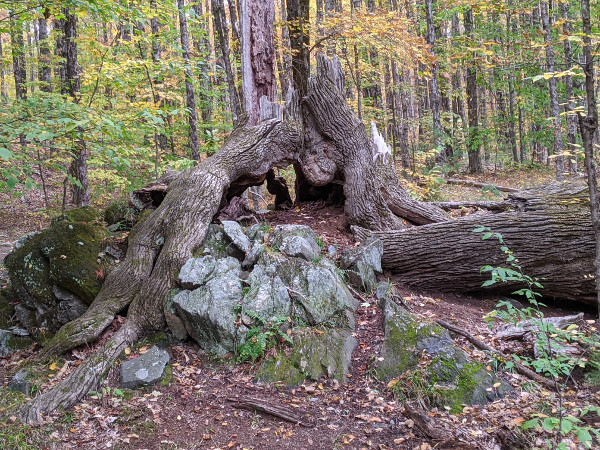
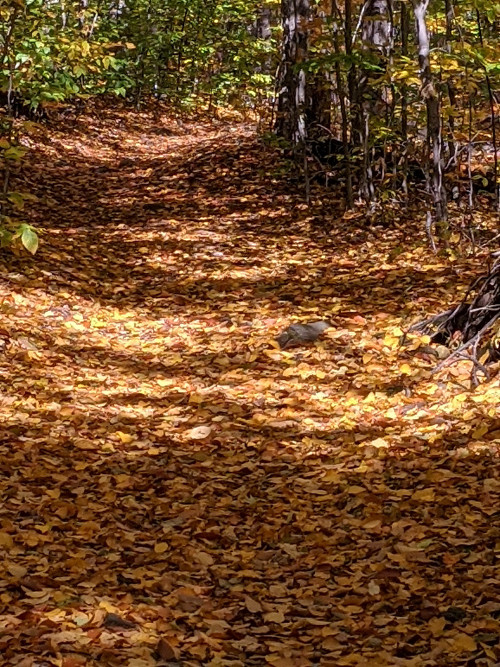

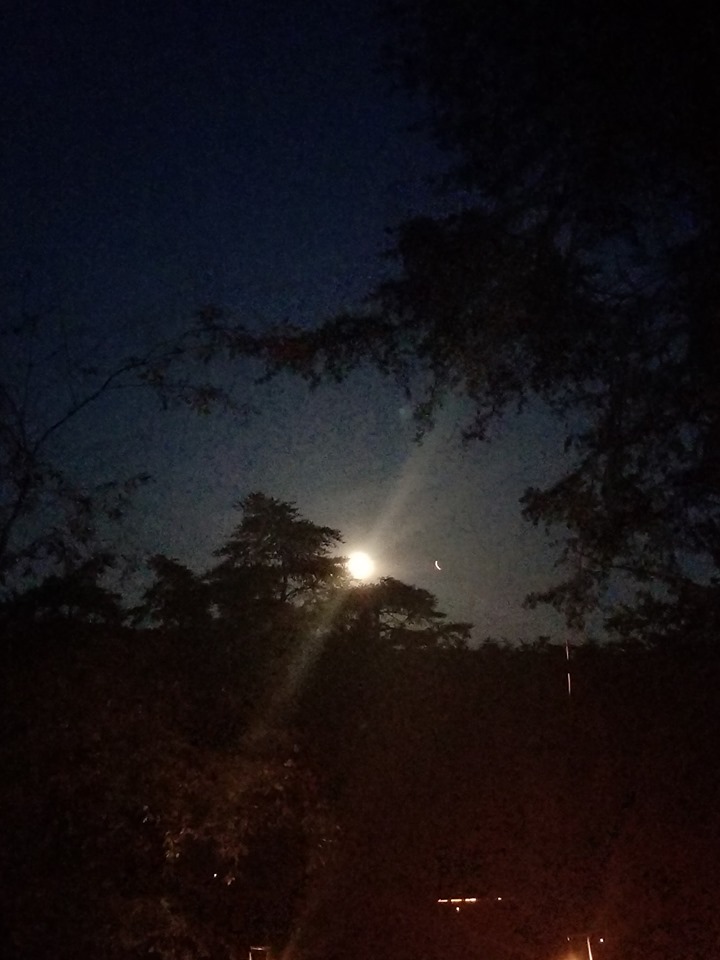


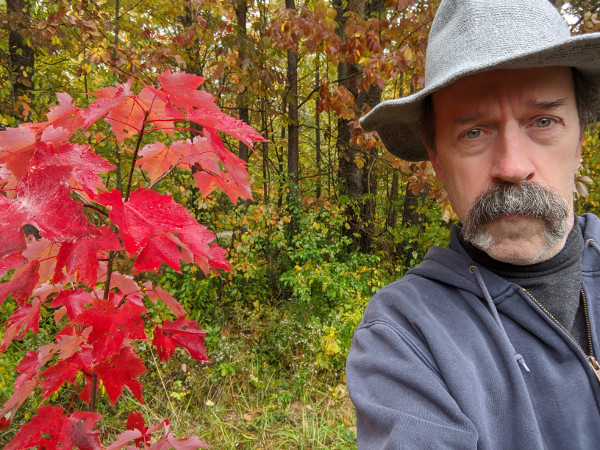
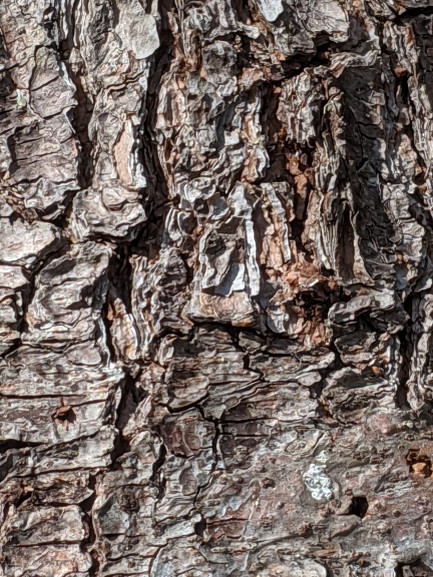
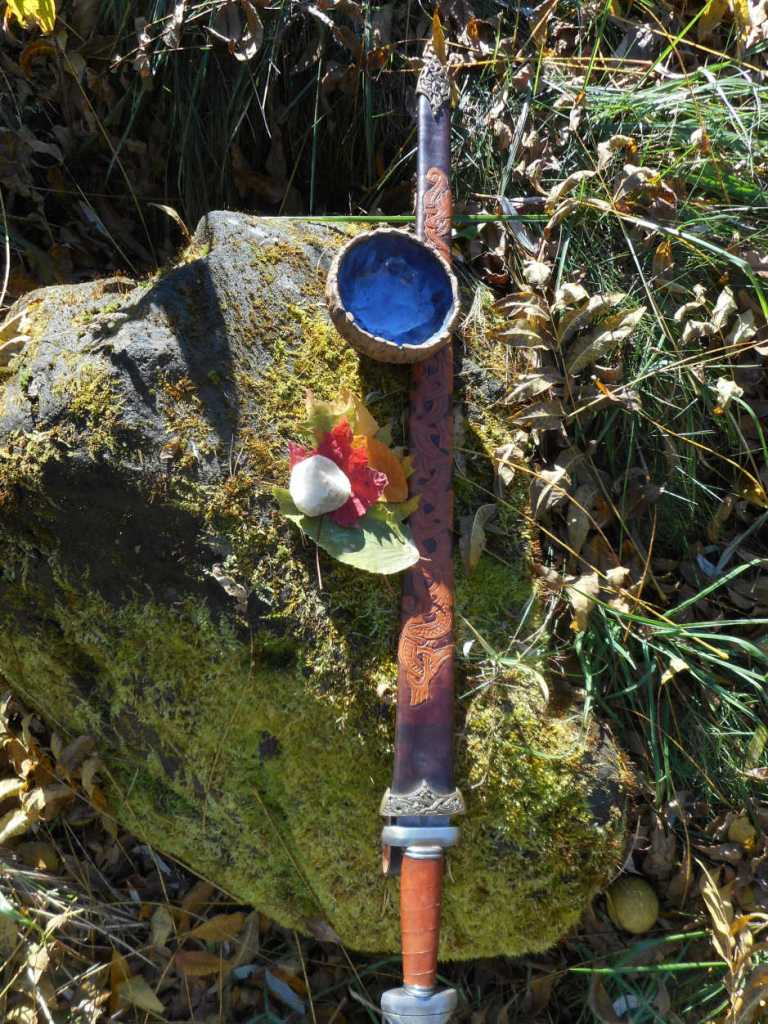
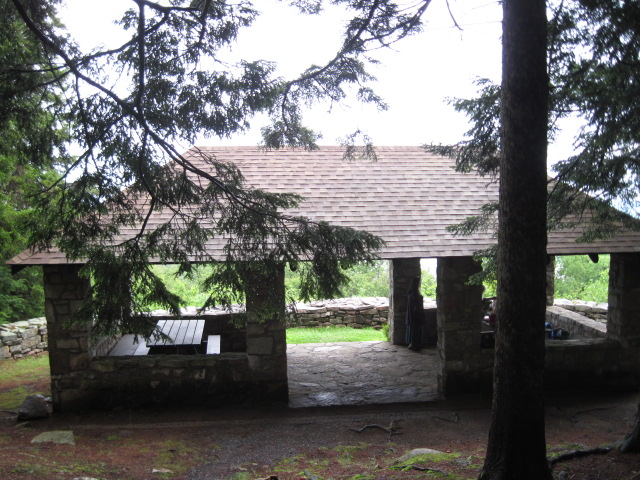
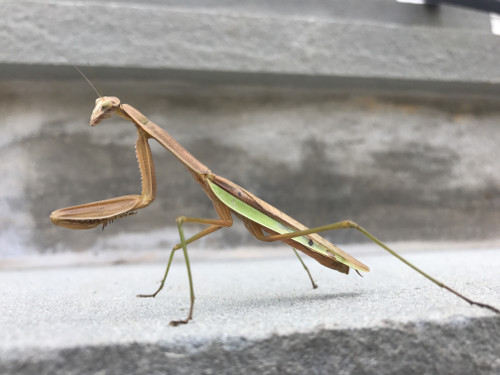
 Here’s a ritual box I was given at Yule. Near it, scenting that corner of the room, is a sprig of yew from Samhain last year. I haven’t yet placed the box in a dedicated space, though I knew as soon as I received it that it belonged in one, that I would need to find-make-discover-dedicate one for it. The smell of yew each evening reminds me, helped the remembering make its way into my attention and this post. Noticing the lag between our recognitions and our actions often provides a key that opens doors.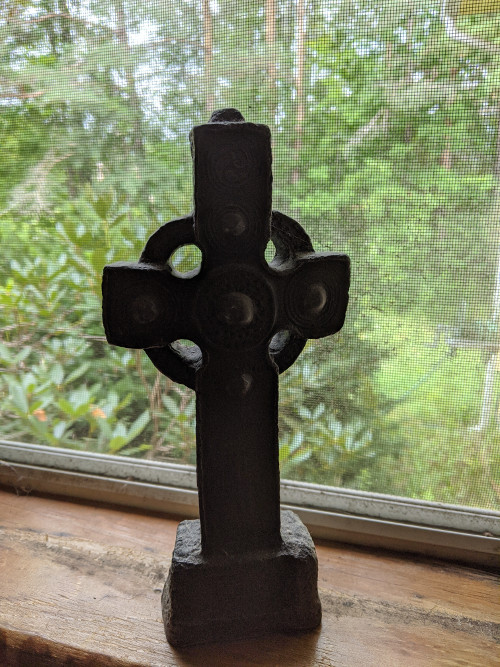
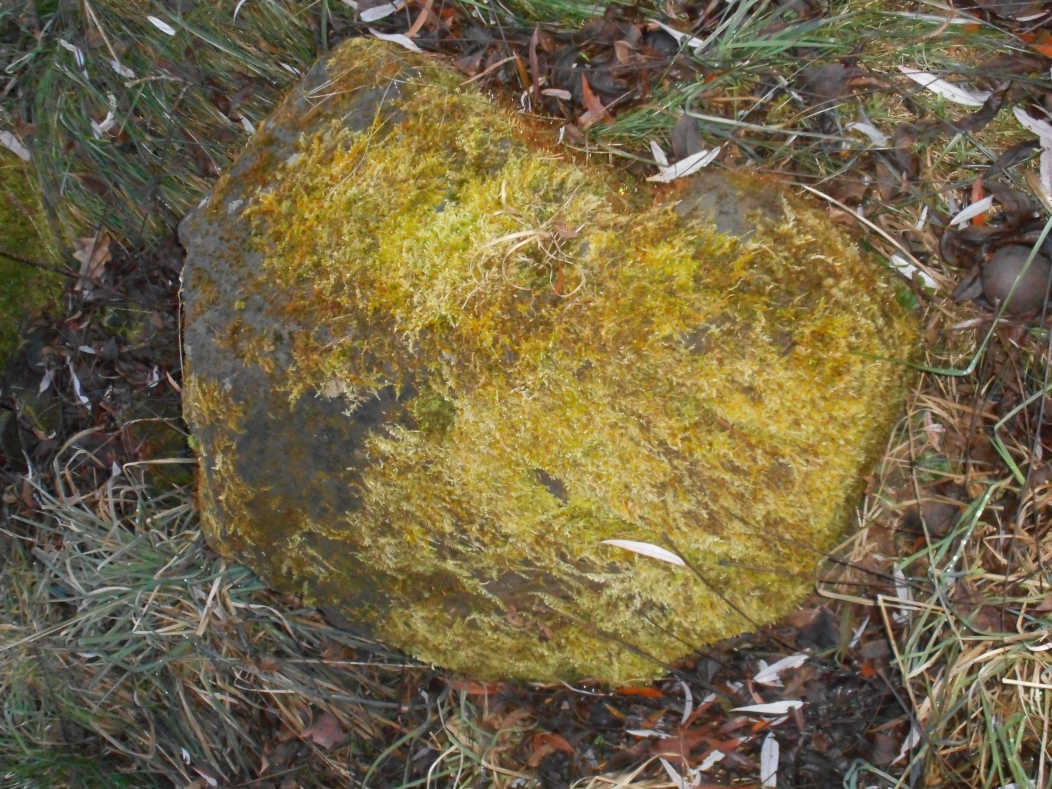
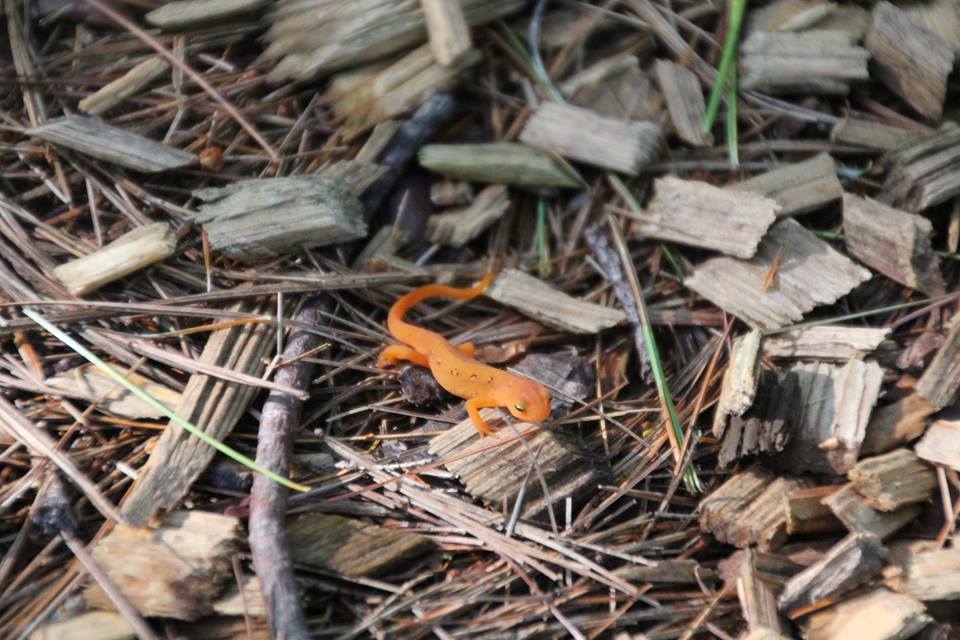
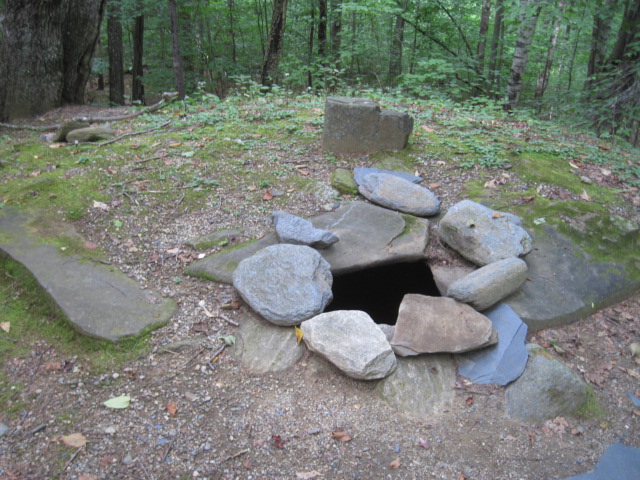
 Or if you’re more kinesthetic, and words don’t do it for you, a ritual gesture or kind of movement, or for other sensory orientations, sound, color, smell, and so forth. The previous post offered the infinity symbol as gesture or sign, a way of signaling the openness that always walks with us, the ability to slip in and out of other worlds in an instant, and then return. Drawing it might help. (Doodling is one way many of us enter daydream, another world, and to shift consciousness, etc.)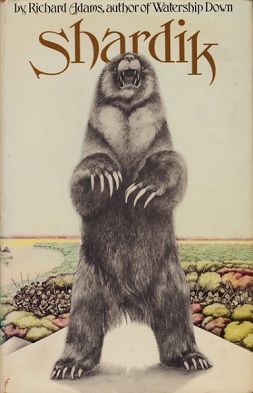
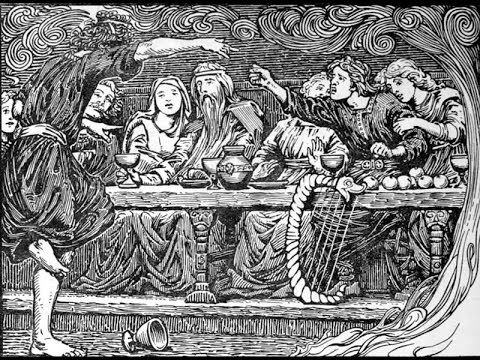
 The pecking order of birds, the ranking among herd animals, a usually stylized aggression to establish social position, can shade into bullying among humans, a specific form of cruelty. Animals generally stop once one of them establishes dominance over the other. We see animal rituals in the submissive gestures of wolves, stags, chimps, etc. who yield to a stronger opponent. A human bully doesn’t stop, and equivalent gestures of submission may simply encourage greater cruelty. The point of bullying is not merely to establish dominance, which is the goal of most alphas, both female and male, but to cause pain.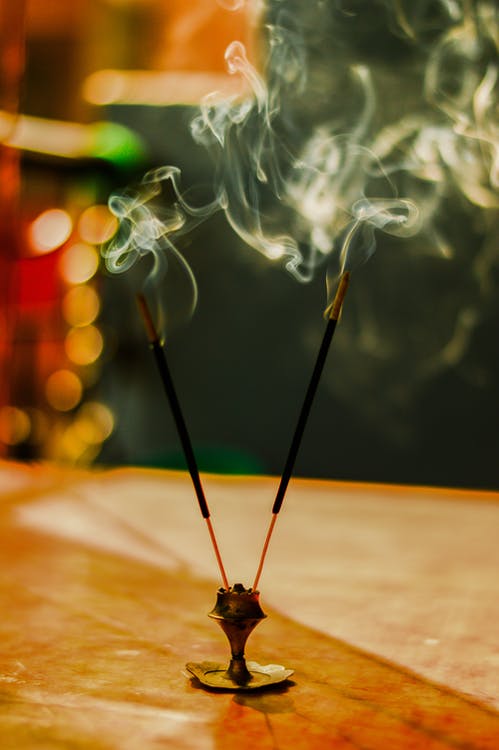
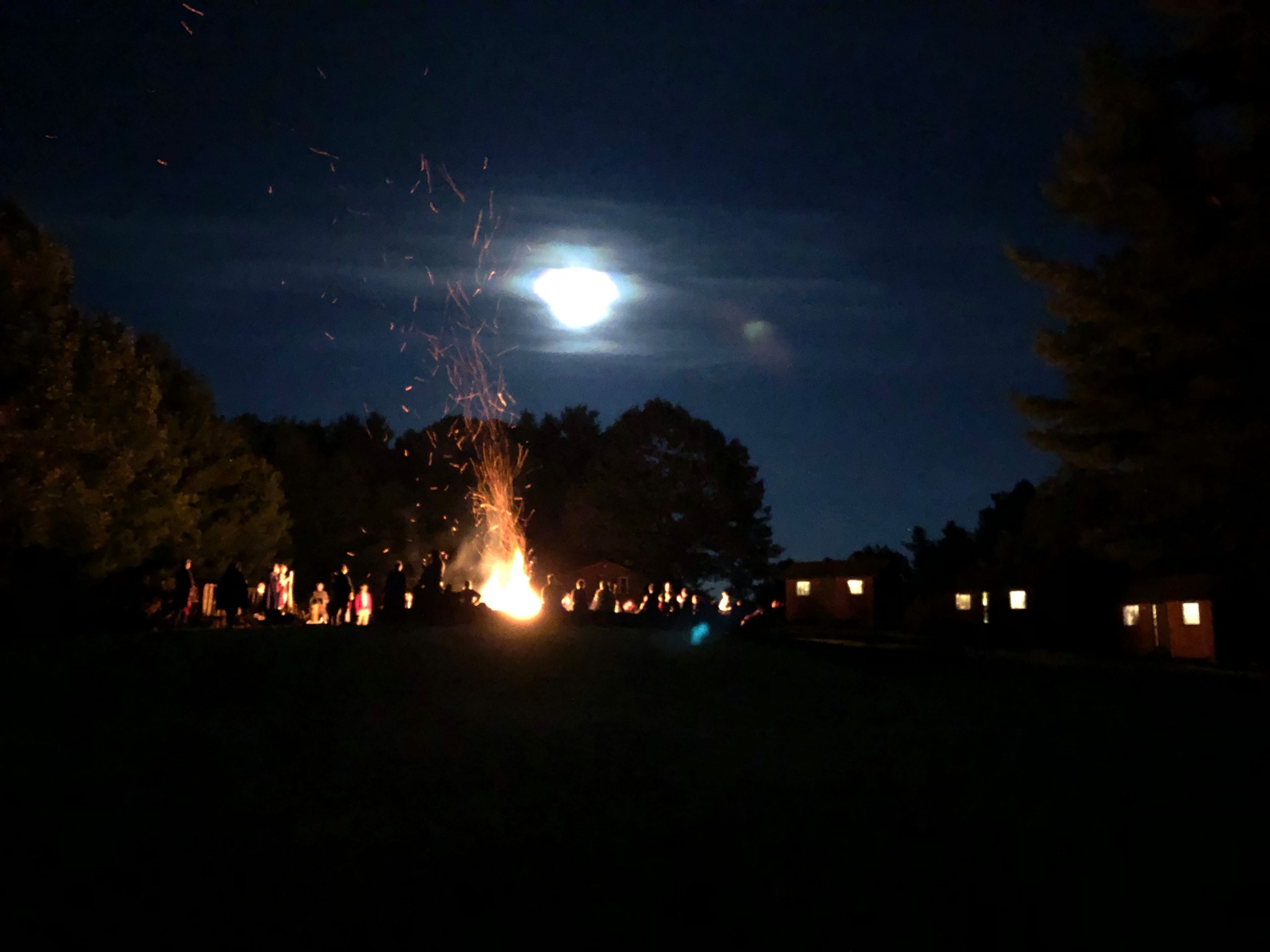



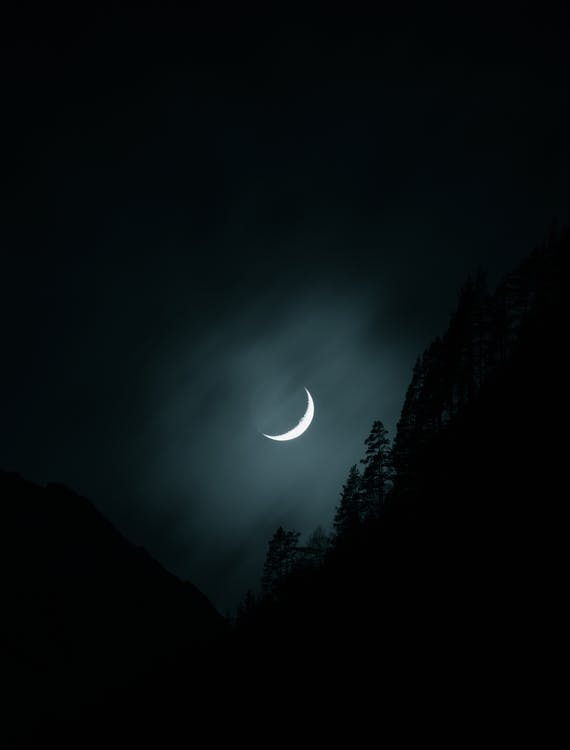
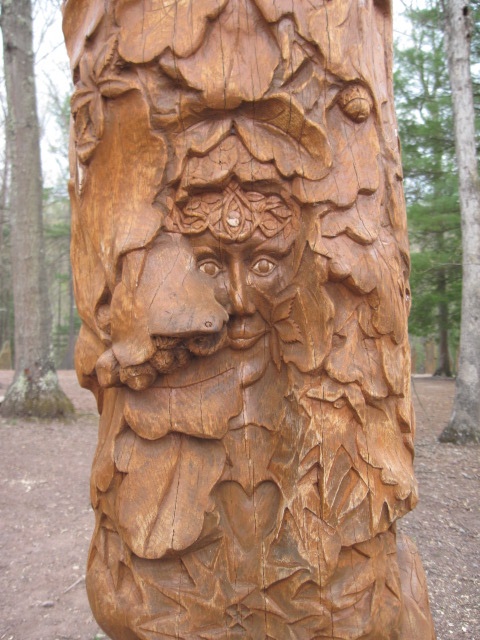



 A Druid Way
